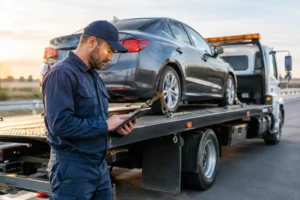
A single preventable loss can pull a vehicle out of service, disrupt a delivery schedule, raise renewal costs, and consume management time for weeks. Knowing how to reduce fleet claims starts with treating fleet safety as an operating function, not an annual insurance task. The strongest programs connect hiring, dispatch, vehicle condition, driver behavior, and claim reporting.
For trucking companies, contractors, restaurants with delivery vehicles, and businesses that rely on commercial autos, the goal is not to eliminate every claim. Weather, other drivers, and roadway hazards remain outside your control. The goal is to reduce preventable losses, limit the severity of unavoidable ones, and show insurers that your operation is actively managing risk.
Build a fleet claims program around preventable losses
Claims data should guide your safety decisions. Pull loss runs and identify patterns by driver, vehicle, location, time of day, type of loss, and cause. Rear-end collisions, backing incidents, cargo damage, windshield losses, theft, and distracted-driving events each require a different response.
Do not stop at the total number of claims. A fleet with three minor glass claims has a different problem than a fleet with one serious injury claim. Track frequency and severity separately. Frequency shows where daily habits need attention; severity reveals where one event could threaten cash flow, contract eligibility, or insurance availability.
Set a simple review schedule. A monthly meeting is usually enough for a small fleet, while larger or high-mileage operations may need weekly reviews. Look for repeat conditions, not just repeat drivers. If several drivers are having backing losses at the same customer location, the route, site layout, scheduling pressure, or parking procedure may be the real issue.
Hire and qualify drivers before keys are issued
A driver shortage can pressure operators to move quickly. But an incomplete hiring file can become expensive after a crash. Verify that every driver is qualified for the vehicle and job they are assigned, then document the process consistently.
Review motor vehicle records before hire and at regular intervals afterward. Confirm license class, endorsements, prior violations, suspensions, and accident history. For regulated trucking operations, maintain the required driver qualification records and follow applicable federal and state requirements.
A clean record alone is not the full answer. New hires should receive a road test or practical evaluation that matches the work they will perform. A driver who handles a pickup well may not be ready to operate a loaded box truck, tow equipment, make tight urban deliveries, or back into congested job sites.
Establish clear standards for disqualifying violations and for conditional employment. The right threshold depends on your fleet size, vehicle type, territory, and insurer requirements. A local service fleet may accept a different risk profile than a long-haul trucking company, but the standard should be written, consistently applied, and reviewed with your insurance advisor.
Control the conditions that cause rushed driving
Many collisions begin hours before impact. Unrealistic routes, late dispatch changes, poorly planned stops, and incentives tied only to speed can push drivers toward unsafe decisions. If drivers believe they will be penalized for stopping when fatigued or delayed, policies alone will not protect the fleet.
Give drivers enough time for pre-trip inspections, fueling, loading, breaks, and safe parking. Build route plans around vehicle height, weight limits, restricted roads, delivery windows, and known backing hazards. For contractors, plan how vehicles enter and exit job sites before crews arrive. For restaurant and retail delivery operations, account for the added exposure of peak traffic, poor weather, and frequent short stops.
Backing deserves special attention because it produces a high volume of preventable property damage claims. Require drivers to use a spotter when practical, get out and look when conditions are unclear, and avoid backing into tight areas when a safer approach is available. A short delay is cheaper than a damaged vehicle, loading dock, fence, or pedestrian injury.
Use telematics as a coaching tool, not a punishment system
Telematics can identify speeding, hard braking, rapid acceleration, harsh cornering, seat belt use, idling, route deviations, and possible distracted driving. Cameras can add useful context when an incident occurs. These tools are most effective when managers use them to correct behavior promptly and fairly.
Avoid treating every alert as proof of misconduct. Hard braking may reflect a driver avoiding another motorist. Review the event, compare it with video or route conditions when available, and have a direct conversation. Drivers are more likely to engage with a program they view as consistent rather than automatic punishment.
Create a coaching process with defined steps: review the event, discuss what happened, document the conversation, provide training if needed, and follow up. Recognize safe performance as well. A program focused only on discipline can drive turnover or encourage drivers to hide problems.
Keep vehicles road-ready and equipment-secure
Mechanical failures can create direct claims and make ordinary driving hazards far more serious. Preventive maintenance should follow manufacturer recommendations, regulatory requirements, vehicle age, mileage, and operating conditions. A truck running daily in Florida heat, heavy rain, and stop-and-go traffic may need closer attention than a vehicle used occasionally on local routes.
Drivers should complete and document pre-trip and post-trip inspections. Maintenance staff need a reliable process for prioritizing defects, taking unsafe units out of service, and confirming repairs. Brakes, tires, lights, mirrors, windshield condition, cameras, cargo restraints, and liftgates all deserve regular attention.
Theft and vandalism also belong in fleet claims control. Use secured parking when possible, remove keys from unattended vehicles, protect tools and cargo, and establish procedures for after-hours use. For fleets carrying equipment or materials, inventory controls and GPS tracking can reduce both the chance of theft and the time required to respond.
Report incidents quickly and preserve the facts
Fast reporting does not mean admitting fault. It means protecting your ability to investigate and respond. Drivers should know exactly what to do after a crash: secure the scene, call emergency services when needed, exchange required information, take photos if safe, report the event to dispatch, and avoid arguments or statements about blame.
Provide each driver with a simple accident packet or digital checklist. It should include emergency contacts, insurer reporting instructions, photo guidance, witness information fields, and post-accident testing procedures where applicable. Dispatchers and supervisors need training too. A confused response from the office can delay towing, medical care, evidence preservation, and claim handling.
Investigate every incident, including minor ones. Ask what conditions led to the event and what operational change could prevent a repeat. The answer may be driver coaching, but it could also be a revised route, a safer delivery window, improved lighting at a yard, or a repair that should have been completed earlier.
Match insurance structure to the fleet you actually operate
Fleet safety reduces losses, but insurance still needs to respond when a serious event occurs. Review vehicle schedules, driver lists, territories, cargo operations, hired and non-owned auto exposure, deductibles, liability limits, and contract requirements at least annually and whenever operations change.
Low deductibles may reduce the immediate cost of minor losses, but they can also lead to more frequent claim reporting and higher administrative burden. Higher deductibles can improve premium economics for some businesses, but only if the company can absorb the retained loss without hurting cash flow. There is no universal right answer.
Do not assume every vehicle exposure fits under a standard commercial auto policy. A contractor hauling equipment, a restaurant using employee-owned cars for delivery, and a trucking company crossing state lines each need a different coverage conversation. Commercialize Insurance Services can help evaluate fleet operations alongside the coverage terms, limits, and reporting requirements that support them.
Make safety visible in daily operations
The most effective fleet programs are not built on a binder that sits in an office. They show up in dispatch decisions, maintenance schedules, driver meetings, onboarding, and management follow-up. Start with the losses you see most often, assign ownership for each corrective action, and measure whether the change reduces repeat events.
Your next claim may not be completely avoidable. Your next preventable claim often is. Give your drivers workable schedules, give managers usable information, and make sure your coverage reflects the vehicles and risks that keep your business moving.