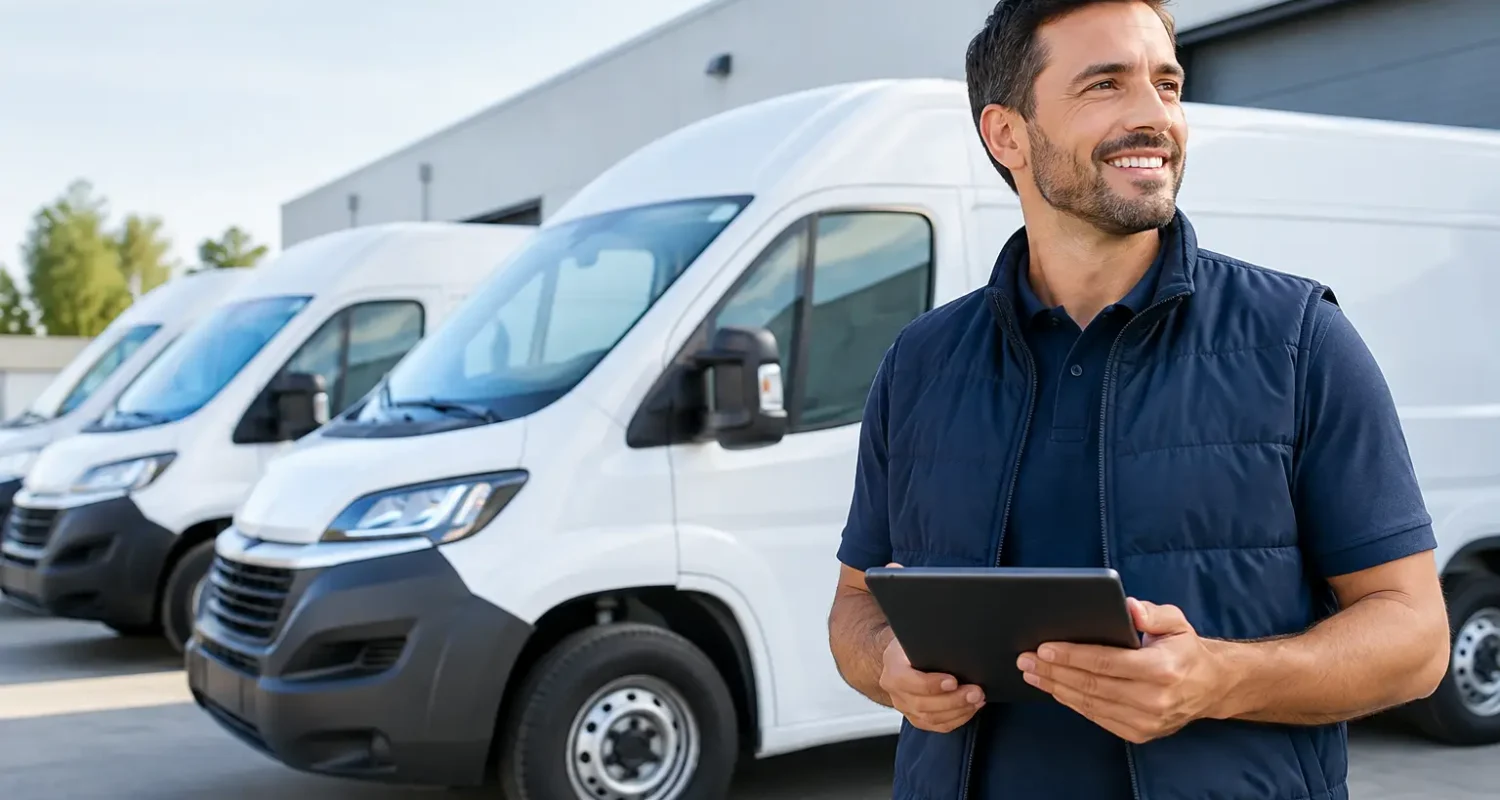
A delivery vehicle is not just transportation. It is a revenue-producing asset that spends its day in traffic, at customer locations, in parking lots, and often under deadline pressure. Knowing how to insure delivery vehicles starts with matching coverage to the way each vehicle is actually used – not simply buying the lowest-priced commercial auto policy.
A florist making local deliveries, a restaurant using drivers for evening orders, and a contractor transporting tools to job sites may all use vans or pickups. Their exposures are different. The right policy reflects the vehicle, the driver, the cargo, the territory, and the contracts that keep the business moving.
Start With Commercial Auto Coverage
If a vehicle is owned, leased, rented, or regularly used for business deliveries, personal auto insurance is usually not enough. Personal policies commonly exclude or limit business use, especially paid delivery activity. A commercial auto policy is built to insure vehicles used in the course of business.
At a minimum, review liability, physical damage, uninsured and underinsured motorist coverage, and medical payments or personal injury protection where applicable. Liability coverage pays for bodily injury and property damage your business causes to others in a covered accident. It is the foundation of the policy, but the state minimum is rarely a practical target for a business.
A serious accident involving multiple vehicles, injuries, or commercial property can exceed low limits quickly. Higher liability limits may be required by a client contract, lease agreement, lender, or delivery platform. Even when they are not required, they can protect the business from a loss that threatens cash flow, equipment, and future operations.
Choose Limits Based on Your Real Exposure
The right limit depends on what your vehicles do and where they travel. A single local delivery van may need a different structure than a fleet crossing county lines every day. Consider traffic density, delivery hours, vehicle size, employee driving history, passenger exposure, and the types of locations drivers enter.
For many businesses, a commercial umbrella policy is worth discussing. It can provide additional liability limits above qualifying commercial auto and general liability policies. This is especially relevant for businesses with multiple vehicles, high-value contracts, frequent deliveries, or assets worth protecting.
Insure the Vehicle for Damage and Theft
Liability protects other people. Physical damage coverage protects your vehicle.
Collision coverage helps pay to repair or replace a covered vehicle after it hits another vehicle or object, or rolls over. Comprehensive coverage addresses other causes of loss, such as theft, vandalism, fire, hail, falling objects, or animal strikes. In Florida and other high-weather-risk areas, comprehensive coverage matters because a parked vehicle can still be damaged by wind, flooding, or debris.
If the vehicle is financed or leased, the lender will usually require physical damage coverage. Even if it is owned outright, consider the cost of replacing it. A business that cannot put a delivery vehicle back on the road quickly may lose orders, disappoint customers, and pay employees who cannot complete their routes.
The deductible is a practical trade-off. A higher deductible can reduce premium, but the business must be able to pay that amount after a loss. Choose a deductible that makes financial sense across the fleet, not just on paper.
Account for Drivers, Not Just Vehicles
Commercial auto underwriting evaluates the people behind the wheel. A clean vehicle schedule does not solve a poor driver-control process.
Provide accurate information on every employee or permitted driver, including license status, driving record, years of experience, and role. Do not allow an unlisted driver to use a company vehicle without confirming how the policy responds. If your operation hires seasonal staff or frequently adds drivers, build that process into your onboarding procedure.
Driver screening should be ongoing. Review motor vehicle records at hiring and periodically afterward. Set rules for distracted driving, mobile phone use, speeding, backing, seat belts, vehicle inspections, and reporting accidents. A written policy cannot prevent every accident, but it gives management a clear standard and helps reduce avoidable losses.
For businesses that reimburse employees who use personal cars for deliveries, hired and non-owned auto liability deserves close attention. This coverage can protect the business when it is held liable for an accident involving a rented vehicle or an employee-owned vehicle used for company business. The employee’s personal insurance may respond first, but the business can still be named in a lawsuit.
Protect Cargo, Equipment, and Specialized Add-Ons
Commercial auto coverage does not automatically protect everything inside the vehicle. That is where many delivery operations have an uninsured gap.
A restaurant may need coverage for food spoilage or temperature-controlled equipment. A contractor may carry power tools, ladders, generators, and materials. A courier may transport customer property that has significant value. Depending on the operation, inland marine, cargo, equipment, or specialized endorsements may be needed.
Be specific when describing what drivers carry. “Tools” or “delivery supplies” is not enough for a meaningful coverage review. Identify the average and maximum value in the vehicle, whether goods belong to your business or a customer, and whether items are left overnight. Coverage can vary based on ownership, cause of loss, vehicle security, and where the property is stored.
Also ask about rental reimbursement and towing coverage. After an accident, the cost is not limited to repairs. A temporary replacement vehicle, towing bill, and missed delivery window can create a much larger operational problem.
Build the Vehicle Schedule Correctly
A commercial auto policy is only as accurate as its vehicle schedule. Each vehicle should be listed with the correct vehicle identification number, garaging location, ownership status, radius of operation, and business use.
This becomes more complex when a company uses personal pickups, rented vans, trailers, or vehicles purchased under a separate entity. A policy should reflect the legal owner and the operational user. If a vehicle is titled personally but used almost entirely for business, disclose that fact. If a business is adding a vehicle next week, arrange coverage before it begins delivery work.
Business owners should also notify their agent when operations change. Expanding into a new state, making longer routes, offering alcohol delivery, adding refrigerated vehicles, or taking on third-party delivery contracts can all affect the insurance structure. Waiting until renewal may leave the business exposed during the busiest part of its growth.
Review Contract and Platform Requirements
Delivery platforms, landlords, franchisors, brokers, and corporate clients often require specific insurance language. They may ask for certain liability limits, additional insured status, waiver of subrogation, or a certificate of insurance before work begins.
Do not assume that a certificate changes coverage. A certificate provides evidence of insurance, but endorsements control the policy terms. Review contractual requirements before signing, particularly when a contract shifts responsibility for accidents, customer property, or leased vehicles to your business.
For operators working across state lines, requirements can change by location and type of delivery. A local restaurant fleet and an interstate trucking operation face different regulatory standards. The details matter.
Get Better Information Before You Request a Quote
A fast quote is easier when the information is organized. Gather vehicle identification numbers, current insurance declarations, driver lists, loss runs, garaging addresses, annual mileage, delivery territory, and details about cargo or equipment. For new businesses, provide the best available estimates and explain the planned operation clearly.
Be honest about delivery use. Misclassifying vehicles as pleasure use, occasional business use, or low-mileage local use can create trouble after a claim. Accurate information gives an insurance professional the ability to place coverage around the actual exposure and identify gaps before an accident does.
Commercialize Insurance Services can help business owners review commercial auto, hired and non-owned auto, cargo-related exposures, and excess liability needs across a changing operation. The goal is straightforward: keep your vehicles compliant, protected, and ready to earn.
The best time to adjust delivery vehicle coverage is before a new driver starts, a new contract is signed, or a vehicle leaves the lot. Treat insurance as part of your dispatch process, not paperwork saved for renewal season.