A work vehicle is more than transportation. It is a delivery route, a jobsite tool, a mobile office, or the asset that gets your crew and equipment where revenue is made. Commercial auto insurance helps protect that asset when an accident, injury claim, theft, or vehicle damage threatens to interrupt operations.
For a contractor with two pickups, a restaurant making deliveries, or a trucking company managing multiple units, the right policy is not simply a legal requirement. It is part of keeping the business moving after a loss. The details matter: who drives, what they haul, where they travel, how vehicles are titled, and what contracts require.
What Commercial Auto Insurance Covers
Commercial auto insurance is designed for vehicles used in business operations. It can cover cars, vans, pickups, box trucks, service vehicles, dump trucks, trailers, and other business-owned or business-used vehicles. Personal auto insurance generally is not built to handle the liability, vehicle types, driver arrangements, or work use that commercial operations create.
A policy often starts with liability coverage. If your driver causes an accident, liability may help pay for another party’s bodily injury or property damage, up to the policy limit. That limit matters. A serious crash involving multiple vehicles, significant injuries, or commercial property can exceed a basic limit quickly.
Physical damage coverage protects your own vehicle. Collision coverage applies when a covered vehicle is damaged in a crash or rollover. Comprehensive coverage can respond to losses such as theft, fire, vandalism, flood, falling objects, or certain animal strikes. A financed or leased vehicle will often require physical damage coverage.
Depending on the operation, a policy may also include uninsured and underinsured motorist coverage, medical payments or personal injury protection where applicable, rental reimbursement, towing, and roadside assistance. These options should support the way your business actually operates, not just make a quote look complete.
The Business Use Changes the Coverage Need
Two businesses can own the same model pickup and have very different exposure. A landscaping company pulling trailers between job sites has a different risk profile than a consultant driving to local meetings. A restaurant delivery driver making frequent stops faces different conditions than a contractor transporting tools before dawn.
Insurers look at operational facts, including where vehicles travel, annual mileage, driver age and experience, garaging locations, vehicle weight, cargo, and loss history. They also consider whether vehicles cross state lines, make deliveries, carry passengers, or operate under a federal motor carrier authority.
That is why a quick answer to “Do I need commercial coverage?” is usually not enough. The better question is: What happens on the road during a normal workday? Clear answers lead to a more accurate vehicle schedule, stronger coverage recommendations, and fewer unpleasant surprises when a claim occurs.
Owned, Hired, and Non-Owned Vehicles
Your company may have liability exposure even when it does not own every vehicle used for business. Hired and non-owned auto liability can be especially relevant for businesses that rent vehicles, send employees on errands in personal cars, or use workers who drive their own vehicles for deliveries or service calls.
For example, an employee who causes an accident while picking up restaurant supplies in their personal vehicle may create a claim against the business. The employee’s personal policy may be involved, but the business can still be named in a lawsuit. Hired and non-owned auto coverage is not a replacement for the employee’s insurance. It can provide an additional layer for the company’s business-use exposure.
This coverage does not normally pay to repair the employee’s personal vehicle. That distinction matters. Liability coverage and physical damage protection address different problems, and both should be reviewed before an incident puts the issue in front of you.
Commercial Auto Insurance for High-Exposure Operations
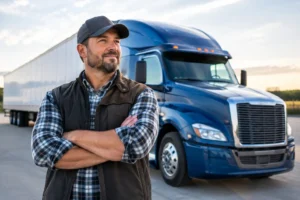
Some businesses need more than a standard vehicle policy because the vehicle is central to the operation. Trucking businesses may need coverage structured around power units, trailers, cargo, filings, driver qualifications, interstate travel, and contractual requirements. A mismatch between the policy and the carrier’s actual operation can delay onboarding with brokers or shippers and create issues after a loss.
Contractors often need to account for pickups, vans, dump trucks, trailers, attached equipment, employee drivers, and jobsite travel. A vehicle loaded with tools may require separate consideration for the tools and equipment themselves. Commercial auto coverage protects the vehicle and liability exposures. Inland marine or equipment coverage may be needed for the contents.
Restaurants and food businesses may need to address delivery vehicles, employee-owned cars, catering vans, and drivers making high-frequency local trips. A personal vehicle used occasionally to deliver food can still create a business exposure, particularly if the business directs the delivery activity.
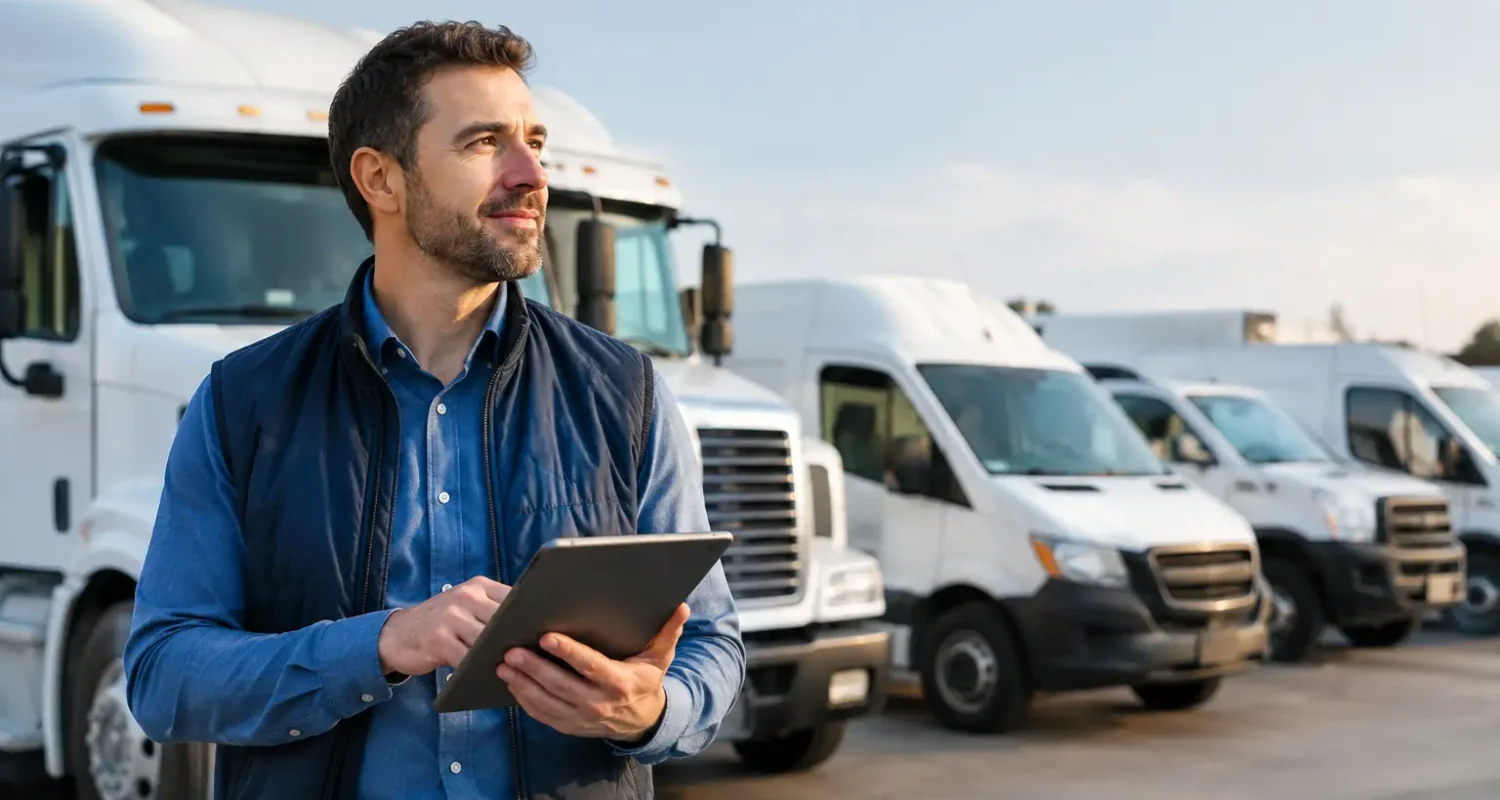
Fleet managers have another layer to manage: consistency. Every added vehicle, removed unit, new driver, address change, and change in use should be reported promptly. An outdated vehicle schedule can turn a routine claim into a coverage question your business did not need.
Choosing Limits That Match the Risk
State minimum limits may satisfy a legal baseline, but they rarely reflect the financial exposure of an active business. If your vehicles enter busy construction zones, serve congested Orlando-area roads, haul materials, or travel interstate, a low liability limit may leave little room after a major accident.
Contract requirements may set a higher standard. General contractors, property managers, shippers, lenders, and government entities often require specific limits, additional insured status where appropriate, waivers, or proof of coverage before work begins. These requirements should be reviewed before signing the contract, not after a certificate is requested.
Higher limits increase premium, so the decision is a trade-off. But it should be evaluated against the cost of a severe claim, the value of your business assets, and the revenue that could be disrupted by litigation. Many businesses also consider commercial umbrella liability for added protection above underlying auto and general liability limits.
Information Needed for a Fast, Accurate Quote
A fast quote works best when the information is complete. Insurers will usually need the business name and address, the vehicle identification number for each unit, year, make, model, ownership or leasing details, driver information, prior insurance, loss history, and a clear description of vehicle use.
For trucking and heavier commercial vehicles, expect additional questions about radius of operation, commodities hauled, gross vehicle weight, DOT details, operating authority, trailer information, and filings. Those questions are not paperwork for its own sake. They help place coverage with an insurer that understands the operation.
Be direct about drivers and use. Leaving off a regular driver, describing a vehicle as local-only when it crosses state lines, or failing to disclose delivery activity may lower a quote at first. It can also create serious trouble later. Accurate underwriting is one of the most practical ways to protect the value of the policy you buy.
Common Gaps to Watch For
Commercial auto claims often expose gaps that were present from the beginning. A new vehicle was purchased but not added to the schedule. A trailer was assumed to be covered without confirming it. An employee used a personal car for work without hired and non-owned coverage in place. A financed vehicle carried liability only. A company accepted a contract requiring higher limits without updating the policy.
Another frequent issue is assuming general liability covers auto accidents. General liability commonly excludes claims arising from the ownership, maintenance, or use of an auto. Commercial auto coverage is built for that exposure. The policies work alongside each other, but one does not automatically replace the other.
Driver management also affects both safety and cost. Review motor vehicle records, set clear driving rules, document maintenance, prohibit distracted driving, and address accidents quickly. Insurers price claims history, but prevention protects something more immediate: your employees, customers, and ability to keep operating.
Get Coverage Built Around the Road You Actually Travel
Commercialize Insurance Services works with businesses that rely on vehicles to serve customers, move crews, transport goods, and meet contract requirements. Whether you operate a single service van or a growing fleet, the goal is straightforward: organize coverage around the vehicles, drivers, and business obligations you have now.
Before requesting a quote, gather your current vehicle schedule, driver list, prior policy, and any contracts that specify insurance requirements. Then explain how the vehicles are truly used. That conversation can identify missing coverage before a lender, customer, or accident forces the issue.
The right commercial auto policy should support the work you are trying to complete tomorrow morning. Get the details right while you still have time to choose.