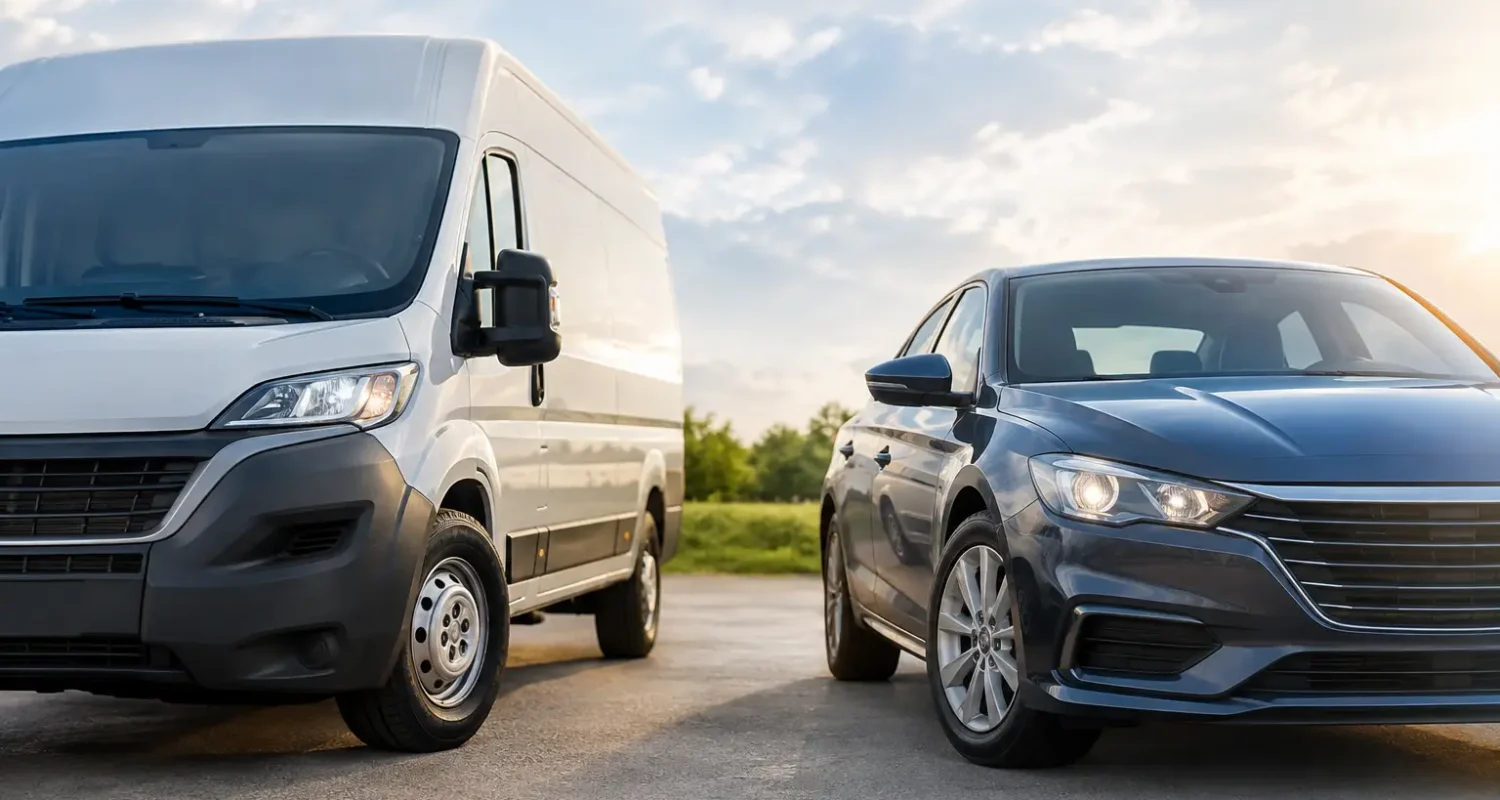
A vehicle can look the same in a driveway, on a jobsite, or at a delivery stop. The insurance exposure is not the same. In the commercial auto versus personal auto decision, the real question is how the vehicle supports your work, who drives it, what it carries, and what a serious accident could cost your business.
Using a personal policy for a business vehicle can create a coverage problem at the worst possible time. A claim may be questioned, coverage may be limited, or your insurer may determine the vehicle should have been insured commercially. For an owner-operator, contractor, restaurant operator, or small-business owner, that gap can put revenue, contracts, and personal assets at risk.
The Core Difference Between Commercial Auto and Personal Auto
Personal auto insurance is built for private transportation. It generally protects you and household members while driving for everyday purposes such as commuting, errands, school, and recreation. A personal policy may allow some incidental business use, but the definition of allowed use varies by carrier and policy.
Commercial auto insurance is built around business ownership and business operations. The policy can insure vehicles titled to a company, vehicles used by employees, specialized equipment, and higher-risk work activity. It can also be structured with liability limits, vehicle schedules, and endorsements that match contracts, client requirements, and the actual cost of a loss.
The distinction is not simply whether a vehicle has a company logo. A pickup without signage may still need commercial coverage if it regularly carries tools, transports employees, pulls equipment, visits multiple jobsites, or is owned by an LLC. A sedan driven to one office may fit a personal policy in some situations. The policy language and the carrier’s underwriting rules decide, not assumptions.
When a Personal Auto Policy May Not Be Enough
Business use can change fast. A vehicle that started as a personal car may become part of daily operations after a new contract, a growing service area, or the addition of an employee. Review the policy before that change becomes a claim.
Commercial coverage is commonly needed when the vehicle is owned, leased, or titled by a business; employees drive it; it transports products, supplies, tools, equipment, or passengers for a fee; it is used for deliveries or service calls; or it is required by a customer contract, lender, or government agency.
Higher-risk vehicle types also point toward commercial auto. These can include vans, box trucks, dump trucks, food trucks, tow trucks, cargo vehicles, and vehicles with permanent business equipment. Weight, radius of operation, cargo, and vehicle modifications all affect the placement.
Do not assume a vehicle qualifies for personal coverage because it is a pickup, SUV, or passenger car. A contractor’s pickup used to haul ladders and materials has a very different loss profile from the same model used for weekend errands. A restaurant employee making deliveries creates a different exposure from an owner driving to purchase office supplies.
Delivery and Driver App Work Need a Closer Look
Delivery is one of the most misunderstood uses. Personal auto policies often exclude or limit coverage while a driver is carrying goods or available for delivery through an app. Some platforms offer contingent coverage during certain stages of a delivery, but that protection may be limited and may not apply in every situation.
If delivery is a regular part of your restaurant, retail, pharmacy, or service business, insure that exposure deliberately. Identify who owns the vehicles, whether drivers are employees or independent contractors, how far they travel, and whether they use personal vehicles. The answer may involve commercial auto, hired and non-owned auto liability, or both.
What Commercial Auto Can Cover
A commercial auto policy usually includes liability coverage for bodily injury and property damage caused by a covered vehicle. It can also include physical damage coverage for collision, theft, vandalism, weather, and other covered losses. The exact protection depends on the vehicles, coverage selections, deductibles, and policy endorsements.
For many businesses, the critical issue is liability capacity. A severe crash involving multiple injured parties, a commercial building, or expensive cargo can exceed low limits quickly. Higher limits, an umbrella policy, or both may be appropriate where contracts, fleet size, or the nature of operations create greater exposure.
Commercial policies can be tailored with options such as uninsured and underinsured motorist coverage, medical payments, roadside assistance, rental reimbursement, towing, and coverage for permanently attached equipment. Businesses may also need hired and non-owned auto liability when employees rent vehicles, use their own cars for work, or run business errands in vehicles the company does not own.
That last point matters. A business can face auto liability even when it does not own a single vehicle. If an employee causes an accident while picking up supplies, meeting a client, or making a bank deposit in a personal car, the business may still be named in the claim.
Commercial Auto Versus Personal Auto for Common Businesses
The right policy depends on operations, not industry labels alone. Still, certain business models consistently require a more detailed review.
Contractors and Construction Businesses
Contractors often use pickups, vans, trailers, and specialty vehicles across multiple jobsites. The vehicle may carry employees, tools, materials, and equipment with high replacement value. Commercial auto can address the vehicle exposure, while separate inland marine or equipment coverage may be needed for tools and mobile equipment. Do not assume auto physical damage coverage protects every item stored in the truck.
Trucking and Freight Operations
Trucking is commercial auto at a higher level of complexity. Vehicle weight, cargo, interstate operation, driver records, federal or state filings, and contractual requirements all influence coverage. An owner-operator hauling freight needs a policy structure that reflects the work being performed, including whether the truck is under permanent lease to a motor carrier or operating under its own authority.
Restaurants, Catering, and Food Trucks
A restaurant may need hired and non-owned auto coverage for delivery drivers using personal cars. A catering company may need commercial auto for vans that carry food, equipment, and staff. A food truck needs commercial auto that accounts for the vehicle itself and how it travels, while property and liability coverage address the kitchen operation and customer-facing risks.
Small Businesses With Sales or Service Vehicles
Electricians, HVAC technicians, plumbers, real estate teams, cleaning companies, and mobile service businesses often begin with one vehicle and grow into a fleet. Commercial auto keeps the policy aligned as drivers, vehicles, and service territory change. It also provides a clearer path for adding newly acquired vehicles and authorized drivers.
Ownership, Drivers, and Vehicle Schedules Matter
Commercial auto insurance is not a generic business purchase. The details drive the policy. An accurate application should identify every vehicle, the registered owner, garaging location, primary use, annual mileage, operating radius, driver list, and any trailer or specialized equipment.
Be direct about drivers. Allowing an unlisted employee or family member to use a work vehicle can create problems if the insurer was not given accurate information. Driver age, license history, prior losses, and job duties all affect pricing and eligibility.
Vehicle ownership also deserves attention. If a vehicle is personally titled but used by the business, the insured name and policy setup need to reflect that arrangement correctly. If the business owns the vehicle, a personal policy may not be available or may fail to match the ownership structure. Leasing companies and lenders may impose their own requirements for physical damage coverage, deductibles, additional insured status, or loss payee wording.
How to Make the Right Coverage Decision
Start with the vehicle’s real job. Ask whether it produces revenue, supports service delivery, carries people or property for work, or is driven by anyone other than the owner. Then consider the financial consequence of a serious crash. If a claim could interrupt operations, jeopardize a contract, or expose the business to a large liability demand, personal limits are rarely the right place to stop.
Bring the facts to an insurance professional before you bind coverage or renew. Include vehicle registrations, lease documents, driver information, current declarations pages, contracts requiring insurance, and a clear description of daily use. This allows the policy to be quoted around your operation instead of forced into a category that does not fit.
Commercialize Insurance Services helps business owners review vehicle use, drivers, liability requirements, and related coverage needs across Florida and other licensed states. Fast answers matter when a vehicle is financed, a contract is pending, or a new driver starts next week.
Before the next vehicle goes on the road, make sure the policy follows the work. A short coverage review now is far easier than explaining business use after a major accident.