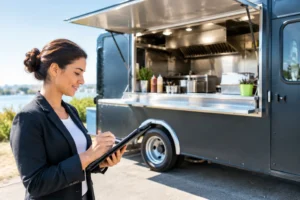
A vehicle does not have to be on your company’s auto schedule to create a company-sized claim. An employee driving a personal car to a jobsite, a manager picking up restaurant supplies in a rental, or a contractor sending a worker to a client location can all create exposure. Hired and non owned auto insurance is designed for those situations.
For many businesses, this coverage is a practical gap-filler. It can respond when your business is sued for bodily injury or property damage caused by a vehicle you do not own but use for business purposes. It is not a substitute for commercial auto insurance when the business owns, leases, or regularly operates vehicles. It is a way to address the vehicles that fall outside that scheduled fleet.
What Is Hired and Non Owned Auto Insurance?
Hired and non-owned auto liability coverage is often added to a commercial auto policy or businessowners policy. It generally provides liability protection for your business when someone uses a rented, leased, borrowed, or personally owned vehicle in connection with company operations.
The coverage has two distinct parts. Hired auto coverage applies to vehicles your business rents, leases, hires, or borrows for business use, subject to the policy language. Non-owned auto coverage applies when employees or other eligible workers use vehicles they own personally for business errands or work travel.
The key word is liability. If a driver causes an accident while working for your company, an injured person may pursue the driver, the business, or both. Hired and non-owned auto coverage can help defend the business and pay covered third-party damages up to the policy limit.
It usually does not pay for damage to the rented or employee-owned vehicle itself. That distinction matters. Physical damage to a rental may require rental-car protection, credit card benefits, or physical damage coverage structured around the rental arrangement. Damage to an employee’s personal vehicle is generally handled under that employee’s personal auto policy, not your company’s hired and non-owned auto coverage.
When Your Business May Need This Coverage
The exposure often exists before an owner realizes it. You may not operate a fleet, but your people may still drive for the business.
A restaurant may have a manager rent a vehicle for an out-of-town catering event or send staff to purchase supplies. A construction company may have foremen use personal pickups to travel between jobsites. A property management company may ask an employee to inspect a property or meet a vendor. A trucking business may rent a replacement vehicle during repairs. A sales team may use personal vehicles to visit customers across Florida or another service state.
Delivery operations deserve special attention. If employees use their own cars for deliveries, the business may have a significant non-owned auto exposure. The same is true when a company reimburses mileage, directs routes, sets delivery schedules, or requires employees to drive as part of their role. Mileage reimbursement does not transfer the company’s liability to the employee.
Independent contractors can create more complicated questions. Their status, the contract terms, who controls the work, and the specific policy definition of an insured all matter. Do not assume a contractor’s personal or commercial policy fully protects your business. Review the arrangement before the work starts.
Hired Auto vs. Non-Owned Auto: The Practical Difference
The distinction comes down to who owns the vehicle and how your business gains access to it.
A hired auto is typically a vehicle your business obtains from a rental company or another party for temporary business use. For example, a contractor rents a cargo van to move tools to a project, or a restaurant rents a passenger van for an event. Long-term leases and certain borrowed vehicles may need to be scheduled differently, so they should be reviewed rather than assumed to fit the hired-auto definition.
A non-owned auto is typically a vehicle your company does not own, hire, rent, or lease but that is used for business. The common example is an employee’s personal car used to make a bank deposit, transport equipment, attend a client meeting, or complete an errand at the owner’s direction.
Neither category is a reason to leave company-owned vehicles off a commercial auto policy. If your business owns a pickup, van, box truck, or other vehicle, that vehicle needs the proper commercial auto structure, liability limits, and physical damage protection where needed.
What Hired and Non Owned Auto Insurance Can Cover
A properly structured policy can provide several critical protections when a covered liability claim arises. The policy may pay for legal defense, settlements, judgments, and third-party bodily injury or property damage, subject to its terms, exclusions, and limits.
Consider a supervisor who drives a personal SUV to a jobsite and causes a serious collision after leaving. The supervisor’s personal policy may be the first source of coverage, but the injured party may also allege the company was responsible because the trip was business-related. Your non-owned auto liability coverage is intended to address that business exposure.
Or consider a business that rents a vehicle for a trade show. If the employee driving it causes an accident, hired auto liability can respond on behalf of the company when the company is named in a claim. The rental agreement may require specific limits, which should be checked before the keys are picked up.
Coverage does not mean every vehicle-related loss is covered. Common issues include employee use outside the scope of work, excluded drivers, unauthorized vehicle use, and limits that are too low for the contract or exposure. Policy wording controls the outcome.
Limits Matter More Than Many Owners Expect
A small errand can produce a large claim. Medical costs, multiple injured parties, property damage, attorney fees, and lost-income allegations can push a vehicle loss far beyond a minimum liability requirement.
Your hired and non-owned auto limits should be considered alongside your commercial general liability, commercial auto, umbrella liability, contracts, and the vehicles used in your operations. A contractor working at commercial sites may face different requirements than a restaurant with occasional manager errands. A transportation company renting equipment or replacement units may have higher contractual requirements and more frequent exposure.
Many businesses choose hired and non-owned auto limits that match their commercial auto liability limit. That can be a sensible starting point, but it depends on the full risk picture. If a landlord, lender, customer, venue, or government contract requires higher limits, an umbrella policy may also be part of the solution.
Reduce the Exposure Before a Claim Happens
Insurance is one part of the control plan. The other part is setting clear rules for anyone who drives for business.
Start by identifying who drives, why they drive, how often they drive, and whose vehicle they use. Keep a record of employees authorized to drive for company purposes. Review motor vehicle records when the position involves regular driving, and repeat that review on a schedule that fits the role and your company policy.
Use written driving rules. Address distracted driving, impaired driving, seat belt use, vehicle maintenance, reporting accidents, and personal insurance requirements for employees who use their own vehicles. If your company reimburses mileage or sends workers on errands, supervisors should understand that an informal request can create a business-use exposure.
For rented vehicles, review the rental agreement and confirm that the driver is authorized. A vehicle rented in an employee’s name for a business purpose may not create the same protection as a vehicle rented in the company’s name. The details matter.
Get the Policy Structure Right
The right answer depends on your operations. A company with no owned vehicles but frequent employee travel may need hired and non-owned auto coverage as a baseline. A contractor with several pickups needs commercial auto coverage first, then may need hired and non-owned protection for employee vehicles and occasional rentals. A restaurant using employee drivers for delivery may need a more detailed review of delivery practices, driver screening, and underlying policies.
Commercialize Insurance Services helps business owners review the vehicles they own, rent, borrow, and rely on through employees. Bring your contracts, vehicle list, job descriptions, rental practices, and delivery details to the conversation. Clear operational information leads to a cleaner quote and fewer surprises when a claim occurs.
Before the next employee runs an errand, rents a van, or drives to a client site, make sure your insurance reflects what actually happens in your business. That is the coverage check that can protect far more than the vehicle involved.