Running a restaurant in Florida is never one-size-fits-all. Your cuisine, cooking methods, equipment, staffing, and even how customers interact with your space all shape your daily risks. Yet one of the most common mistakes we see as an insurance agency working closely with restaurant owners is this: the insurance policy doesn’t actually match the cuisine style.
At CIS, we work every day with food trucks, cafés, BBQ joints, sushi bars, bakeries, ghost kitchens, and fine dining restaurants across Florida. And one thing is clear: insurance for different restaurant types must be tailored, not generic.
In this article, we’ll break down how cuisine style directly impacts risk, coverage needs, and costs. We’ll also explain how choosing the right Restaurant Insurance Policies, General Liability, Business Owners Policies, and workers compensation can protect your operation, your staff, and your income, while avoiding expensive coverage gaps.
Why Cuisine Style Matters More Than You Think in Restaurant Insurance
Every restaurant has risk, but not every restaurant has the same risk.
A coffee shop serving pastries has very different exposures than a sushi bar handling raw seafood. A BBQ restaurant with smokers and open flames faces hazards that a smoothie café does not. This is why insurance for different restaurant types isn’t just a marketing phrase, it’s a necessity.
How insurers evaluate restaurant risk
Insurance carriers look closely at:
- Cooking methods (open flame, frying, smoking)
- Food handling (raw seafood, meats, allergens)
- Equipment used (grease hoods, fryers, knives)
- Customer flow and seating
- Alcohol service
- Number of employees
- Location and building type
When coverage doesn’t align with these realities, claims may be delayed, denied, or underpaid.
This is exactly why we encourage Florida restaurant owners to review their coverage regularly and work with specialists who understand the industry.
Learn more about coverage basics here: Restaurant Insurance in Florida
Core Restaurant Insurance Policies Every Cuisine Needs
Before we dive into cuisine-specific needs, let’s talk about the foundation. No matter your menu, these policies are essential.
General Liability Insurance
General Liability protects your restaurant if a customer is injured, gets sick, or experiences property damage due to your operations. Slip-and-falls, foodborne illness claims, and accidental damage are some of the most common claims we see.
Business Owners Policy (BOP)
A Business Owners Policy combines General Liability and Commercial Property Insurance. It’s often more cost-effective and is ideal for restaurants with physical locations.
Workers Compensation
Florida law requires workers compensation if you have employees. This coverage protects your staff if they’re injured on the job and protects you from costly lawsuits.
Click here to learn more about workers compensation.
Food Trucks: Mobile Kitchens, Mobile Risks

These core policies are the backbone of insurance for different restaurant types, but what really matters is how they’re customized.
Food trucks are booming across Florida, but they come with unique insurance challenges.
Key risks for food trucks
- Vehicle accidents
- Equipment damage while in transit
- Fires from propane or generators
- Limited prep space increasing injury risk
- Changing locations and permits
Insurance coverage food trucks need
- Commercial Auto Insurance
- General Liability with mobile vendor endorsements
- Equipment coverage
- Business interruption coverage
- workers compensation for employees
Because food trucks operate in multiple locations, insurance for different restaurant types must account for mobility and local regulations.
Cafés & Coffee Shops: Low Risk Doesn’t Mean No Risk
Cafés are often perceived as “low risk,” but we see claims here all the time.
Common café risks
- Customer burns from hot beverages
- Slip-and-falls
- Electrical issues from espresso machines
- Employee repetitive-motion injuries
Recommended insurance solutions
- General Liability
- Property coverage for equipment
- workers compensation
- Business Owners Policy
Even in a café environment, insurance for different restaurant types matters because claims often come from unexpected situations.
BBQ Restaurants: High Heat, High Exposure
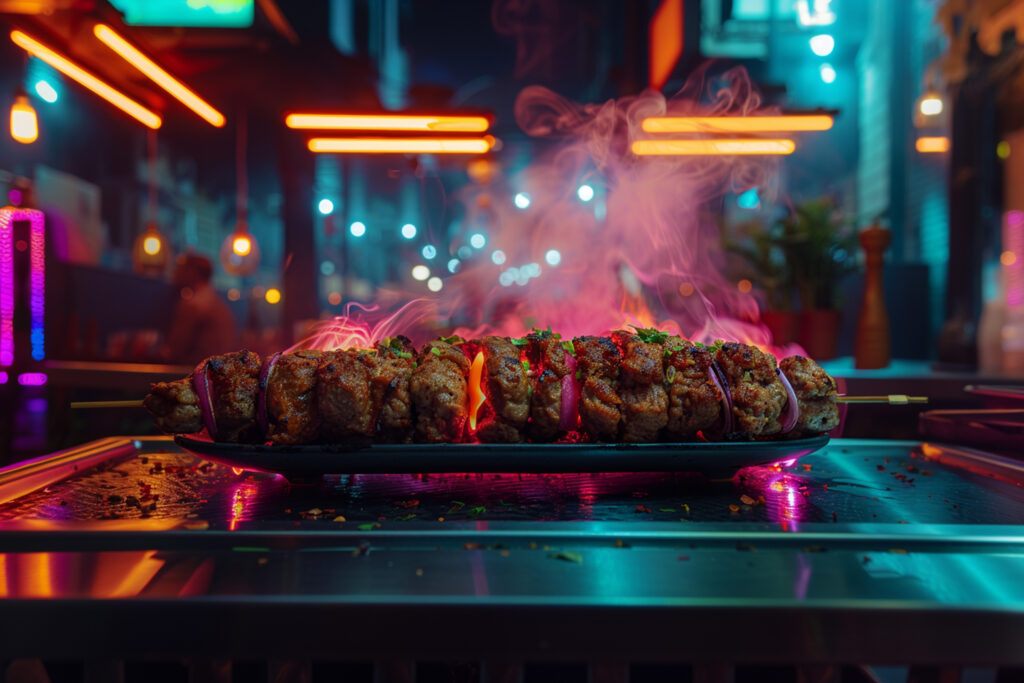
Safety Standards for BBQ Restaurants: Fire Prevention That Protects Your Business
BBQ restaurants are known for bold flavors, open flames, and slow-cooked perfection, but behind the scenes, they also operate in one of the highest-risk kitchen environments in the restaurant industry. Between smokers, grills, grease, and constant high heat, fire safety isn’t optional. It’s essential.
That’s why many best practices followed by insurers and safety professionals align closely with guidance published by national fire authorities like the U.S. Fire Administration, which focuses on reducing fire risk in commercial cooking environments and educating business owners on prevention, preparedness, and response. Their resources help restaurant operators better understand how fires start, and more importantly, how to stop them before they become catastrophic.
Why BBQ Restaurants Face Elevated Fire Risk
BBQ kitchens typically involve:
- Continuous use of open flames and high-temperature smokers
- Heavy grease production that can accumulate quickly
- Long cooking times with unattended equipment
- Tight kitchen layouts with multiple heat sources
These conditions significantly increase the likelihood of kitchen fires when compared to lower-heat concepts. From an insurance standpoint, this is exactly why insurance for different restaurant types must reflect how your BBQ operation truly functions.
Core Fire Safety Standards Every BBQ Restaurant Should Follow
Based on widely accepted fire prevention practices -including those emphasized by the U.S. Fire Administration- BBQ restaurant owners should prioritize the following safety standards to reduce risk and protect both people and property.
Grease Control and Ventilation Maintenance
Grease buildup is one of the most common contributors to kitchen fires.
- Exhaust hoods, ducts, and filters should be cleaned on a regular, documented schedule
- Grease traps must be maintained and emptied properly
- Cleaning logs should be kept on-site to demonstrate compliance
From an insurance perspective, poor maintenance is often a red flag during underwriting and claim reviews, especially for BBQ operations.
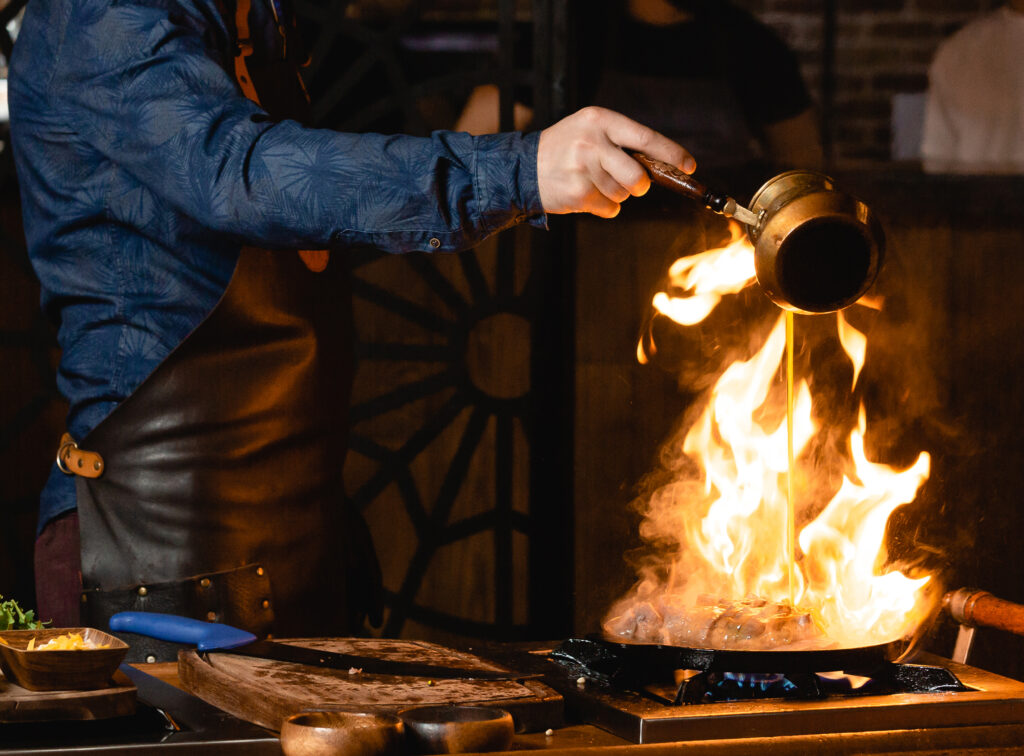
Reliable Fire Suppression Systems
Automatic fire suppression systems are critical in BBQ kitchens where fires can spread rapidly.
- Systems should be installed over all cooking equipment that produces grease or high heat
- Inspections must be completed on schedule by certified professionals
- Staff should know how the system activates and what to do afterward
Insurance carriers frequently require proof that these systems are operational before offering or renewing coverage for high-risk cuisine types.
Staff Training and Equipment Awareness
Well-trained employees are one of the strongest fire prevention tools you have.
- Staff should understand safe operation of smokers, grills, and fryers
- Early warning signs like unusual smoke or overheating should never be ignored
- Employees should know emergency shutdown procedures
Consistent training reduces accidents, injuries, and claims -which directly impacts your Restaurant Insurance Policies over time.
Fire Extinguishers and Emergency Planning
BBQ restaurants should always have:
- Properly rated Class K fire extinguishers for grease fires
- Clearly marked exits and evacuation routes
- Regular extinguisher inspections and documented checks
Fire authorities consistently emphasize that quick response in the first moments of a fire can make the difference between a minor incident and a total loss.
Kitchen Layout and Workflow Safety
A safer BBQ kitchen is also a better-designed kitchen.
- Clear walkways reduce the chance of burns and collisions
- Proper ventilation helps manage heat and smoke buildup
- Non-slip flooring and mats help prevent falls around hot equipment
These details matter not only for safety, but also for how insurers assess your risk when structuring insurance for different restaurant types.
Sushi & Seafood Restaurants: Freshness Comes With Risk

Sushi and seafood restaurants offer delicacy, precision, and freshness, and while their fire risk profile is often lower than high-heat kitchens like BBQ or deep-fried concepts, they still have unique hazards that can lead to serious incidents if not properly managed.
While much of the USFA’s guidance focuses broadly on fire prevention and response in commercial settings, the underlying principles apply to every restaurant kitchen, including sushi and seafood operations where sharp knives, refrigeration systems, and electrical equipment are in constant use.
Understanding and applying these fire-safe practices helps protect your staff and customers while also influencing how insurers evaluate your risk, a critical factor when choosing insurance for different restaurant types.
🔪 Knife & Cutting Safety: Reducing Human Risk
Sushi kitchens revolve around sharp tools, especially high-quality knives used for slicing fish. While not typically a fire risk, knife injuries are among the most frequent incidents in sushi restaurants.
Best practices include:
- Conducting regular staff knife safety training
- Using cut-resistant gloves when appropriate
- Keeping knives sharpened and stored safely
- Providing dedicated cutting stations with proper spacing
A kitchen documented to have consistent safety training and procedures is viewed more favorably when insurers assess your General Liability risk profile.
❄️ Temperature Control & Refrigeration Safety
One of the core challenges in a sushi or seafood restaurant isn’t fire, it’s food spoilage and contamination. However, refrigeration units themselves contain electrical components that can pose fire hazards if neglected.
Best practices include:
- Scheduling routine professional maintenance for all refrigeration systems
- Monitoring temperatures consistently
- Keeping coils clean and free of debris
- Responding promptly to unusual noises, heat buildup, or power fluctuations
From an insurer’s perspective, well-maintained refrigeration reduces spoilage claims and shows a proactive risk management culture that supports coverage for both property and product liability.
🧼 Clean & Organized Culinary Spaces
Clean, orderly kitchens aren’t just efficient, they’re safer.
For sushi and seafood operations:
- Floors should be dry and free of trip risks
- Mats or slip-resistant surfaces should be installed where water is common
- Workstations should be organized to avoid collisions
- Waste and fish scraps should be removed continuously
These practices address both slip/fall risks (a major non-fire hazard in kitchens) and help prevent unsafe crowding around electrical equipment, further reducing risk in the eyes of insurers.
Why Safety Standards Matter for Your Insurance
Following recognized safety recommendations, such as those supported by the U.S. Fire Administration, goes beyond compliance. It directly affects how insurance for different restaurant types is structured for your specific operation.
When underwriters see documented procedures for:
- electrical and fire safety
- refrigeration maintenance
- staff training
- emergency preparedness
A Practical Step You Can Take Today
As part of your ongoing safety and risk management strategy:
- Conduct a walkthrough of your kitchen with your management team
- Compare current procedures with USFA safety principles
- Update training logs and maintenance records
- Discuss your findings with your CIS insurance advisor
This helps ensure your policy matches your operations, not just your menu.
If you’d like help reviewing your current coverage to confirm it aligns with your safety practices and cuisine risks, contact us and get a free quote or insurance review. We’d love to help you protect your business and serve your community with confidence.
Bakeries & Pastry Shops: Sweet Menus, Serious Equipment

Bakeries and pastry shops run on precision, timing, and consistency. When everything works as it should, the operation flows smoothly. But when a critical piece of equipment fails, especially an oven,the impact can ripple through your business faster than most owners expect.
From our experience working with bakeries across Florida, equipment failure is one of the most underestimated risks in this segment. And because insurance for different restaurant types must reflect real operational challenges, bakeries require special attention when it comes to equipment-related coverage.
Why Ovens Are the Heart of a Bakery
In a bakery or pastry shop, the oven isn’t just another appliance it’s the core of production.
When an oven fails, it can result in:
- Entire batches of products being ruined
- Missed early-morning production windows
- Delayed or canceled wholesale and catering orders
- Loss of daily revenue
- Customer dissatisfaction and reputational damage
Unlike some restaurant concepts, bakeries often can’t “pivot” to another cooking method. No oven usually means no business for the day.
Common Causes of Oven and Equipment Failure
Equipment breakdown doesn’t always come from neglect. Even well-maintained systems can fail due to:
- Electrical surges or wiring issues
- Mechanical wear from daily high-volume use
- Overheating from blocked ventilation
- Sensor or thermostat malfunctions
- Aging components reaching end of life
In Florida, power fluctuations and humidity can also accelerate wear on commercial kitchen equipment, increasing the likelihood of unexpected shutdowns.
The Hidden Costs of a Broken Oven
The financial impact of oven failure often goes far beyond repair costs.
A single breakdown can lead to:
- Lost inventory and wasted ingredients
- Employee downtime while equipment is offline
- Missed peak sales periods (especially mornings and weekends)
- Emergency repair expenses at premium rates
- Temporary closure or reduced operations
Without proper coverage, these losses come directly out of pocket,even if your General Liability or standard property policy is in place.
Why Standard Property Insurance May Not Be Enough
Many bakery owners assume their commercial property insurance fully protects them from equipment issues. In reality, most standard policies cover external damage, not internal mechanical or electrical failure.
This is where equipment breakdown coverage becomes critical. When structured correctly as part of your Restaurant Insurance Policies or Business Owners Policy, it can help cover:
- Repair or replacement of ovens and mixers
- Damage caused by equipment failure
- Loss of income during downtime
- Spoiled inventory due to interrupted baking cycles
For bakeries, this coverage can mean the difference between a minor disruption and a major financial setback.
Preventive Steps Bakeries Can Take
While insurance is critical, prevention always comes first. Smart bakery owners:
- Schedule regular professional maintenance for ovens and mixers
- Train staff to recognize early warning signs (uneven baking, unusual smells, error codes)
- Avoid overloading equipment beyond manufacturer guidelines
- Keep detailed maintenance and repair records
Fine Dining Restaurants: Experience Comes With Liability

Fine dining establishments face elevated expectations and elevated risk.
Common fine dining exposures
- Higher customer traffic
- Alcohol service
- Expensive décor and equipment
- Valet or coat check liability
Recommended coverage
- General Liability with higher limits
- Liquor Liability
- Business Owners Policy
- workers compensation
For alcohol compliance guidance, Florida restaurant owners can reference the Florida DBPR
Why Workers Compensation Is Critical Across All Cuisine Types
No matter the cuisine, workers compensation is one of the most important protections you can have.
Kitchen injuries are common:
- Cuts
- Burns
- Slips
- Repetitive strain
- Lifting injuries
Without proper workers compensation, one claim can financially devastate a restaurant.
Common Insurance Mistakes We See Florida Restaurant Owners Make
Assuming one policy fits all
This is the biggest issue. Insurance for different restaurant types requires customization.
Underinsuring equipment
Replacing kitchen equipment today costs significantly more than it did a few years ago.
Not updating coverage as menus evolve
Adding delivery, catering, or alcohol changes your risk profile.
How CIS Helps Match Insurance to Your Cuisine Style
At CIS, we don’t sell cookie-cutter policies. We take time to understand:
- Your menu
- Your cooking methods
- Your staff size
- Your growth plans
We then tailor Restaurant Insurance Policies to fit your business not the other way around.
Your cuisine is your identity- but it’s also your risk profile. When your insurance matches how you actually operate, you’re not just compliant, you’re protected!
At CIS, we’re here to help Florida restaurant owners make smart, informed decisions. If you’re unsure whether your current policy truly fits your cuisine style, now is the time to review it.
📲 Visit us at usa-cis.com and request a free quote today.
We’d love to help protect what you’ve worked so hard to build.