Running a food business in Florida means balancing creativity, customer service, compliance, and risk every single day. At CIS, we work closely with restaurant owners, café operators, bakery founders, and pastry entrepreneurs across the state, and one thing we hear all the time is:
“Aren’t all food businesses insured the same?”
The answer is no.
While pastry shops and full-service restaurants both fall under the food service category, the risks they face are not identical. From baking ovens to sugar-based ingredients, temperature-sensitive fillings, retail foot traffic, catering orders, and high-value display cases, pastry shops have exposures that demand a more tailored insurance approach.
That’s why Pastry Shops Insurance should never be treated as an afterthought, or simply lumped into a standard restaurant policy.
In this guide, we’ll break down exactly how pastry shops differ from restaurants when it comes to insurance, what coverage Florida bakery owners really need, and how to protect your investment, staff, and brand long-term.
Florida’s Unique Risk Environment for Food Businesses
Florida is not just another state when it comes to business insurance. Between hurricanes, floods, humidity, heat, tourism, and strict health regulations, operating any food establishment here comes with elevated risk.
According to the Florida Department of Business & Professional Regulation (DBPR), all food service businesses, including bakeries and pastry shopsmust meet sanitation, food safety, and equipment standards to stay licensed:
But insurance doesn’t just protect you from regulatory fines. It protects you from financial devastation when something unexpected happens.
In Florida, we see claims for:
• Spoiled inventory after power outages
• Kitchen fires from baking equipment
• Slip-and-fall accidents in retail areas
• Equipment breakdowns
• Foodborne illness claims
• Water damage from burst pipes or storms
• Employee injuries
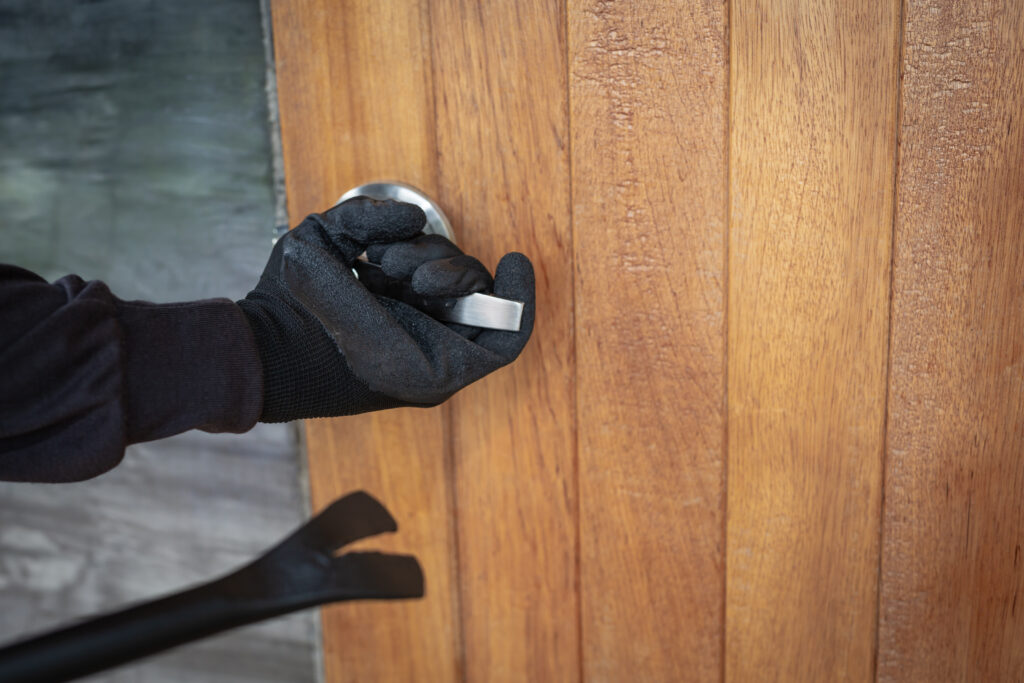
• Theft and vandalism
Pastry shops face many of these risks but in different proportions and patterns than full-service restaurants.
How Pastry Shops Are Fundamentally Different From Restaurants
Restaurants focus on cooking and serving meals. Pastry shops focus on production, precision, storage, and retail presentation.
That difference matters a lot for insurance.
Here’s why:
1. You rely heavily on specialized equipment
Pastry kitchens depend on:
• Ovens, Proofers, Mixers, Refrigerated display cases, Walk-in freezers, Chocolate tempering machines,Dough sheeters
When one of these breaks, your entire business can grind to a halt.
Restaurants might lose one grill and still operate. Pastry shops usually cannot.
2. Your ingredients are more fragile
Butter, cream, eggs, chocolate, fruit fillings, custards, and dough are extremely temperature-sensitive. A single power outage can wipe out thousands of dollars of inventory.
This is why Pastry Shops Insurance needs stronger spoilage and equipment coverage than most restaurants.
3. You have more retail foot traffic
Most pastry shops are hybrid businesses:
• Production kitchen, Retail storefront,Coffee counter, Grab-and-go displays
That means higher slip-and-fall exposure and higher general liability risk.
4. Your product is more likely to be taken off-site
Cakes, pastries, dessert boxes, catering orders, and wedding desserts leave your premises and travel to customers.
If something goes wrong, you can be liable even after the product leaves your shop.

Why Standard Restaurant Insurance Is Not Enough
Many bakery owners assume a generic Restaurant Insurance in Florida policy will cover everything.
In reality, those policies are designed around:
• Fryer, Gas lines,Table service, Alcohol, Kitchen fires,Food prep lines
They do not fully account for:
• Bakery equipment breakdown,Temperature-controlled storage,Ingredient spoilage,Display case damage,Custom cake liability,Off-premises dessert catering,Retail packaging risks
This is why we structure Pastry Shops Insurance differently than traditional restaurant coverage.
If you’d like to understand how coverage types differ, you can explore them here:
Restaurant Insurance in Florida
What Every Pastry Shop in Florida Should Have
Let’s break down what truly matters when protecting a bakery or pastry business.
General Liability Insurance
This covers injuries, property damage, and customer lawsuits.
Example claims:
• A customer slips on powdered sugar near your display case
• A child gets burned by hot coffee
• A guest has an allergic reaction
Every pastry shop in Florida needs this.
Commercial Property Insurance
This covers:Ovens,Refrigerators,Freezers, Display cases,Furniture, Inventory,Decor, POS systems.
Spoilage & Food Contamination Coverage
This is one of the most important differences between bakeries and restaurants.
If your freezer goes out overnight and you lose:
• Butter
• Cream
• Eggs
• Custards
• Frozen dough
• Chocolate
A basic restaurant policy may not cover it.
Strong Pastry Shops Insurance does.

Equipment Breakdown: The Bakery Killer
Unlike restaurants that use multiple interchangeable cooking tools, pastry shops rely on very specific machines.
When your:
• Mixer, Proofer, Oven, Display fridgegoes down, production stops.
Equipment breakdown insurance covers:
• Repairs
• Replacement
• Business interruption
• Lost revenue
The U.S. Small Business Administration notes that mechanical failure is one of the top causes of unexpected business shutdowns:
This coverage is essential for pastry businesses.
Business Interruption Insurance
If your shop has to close after:
• A fire
• A power outage
• A hurricane
• Equipment failure
you still have to pay:
• Rent
• Payroll
• Utilities
• Loans
Business interruption coverage replaces that lost income while you recover.
This is especially critical in Florida’s storm-prone environment.
Workers’ Compensation in Florida
In Florida, Workers’ Compensation is not optional it’s a legal and financial safety net. If an employee gets injured on the job, Workers’ Comp covers medical bills, lost wages, and rehabilitation. Without it, the business owner can be personally responsible for these costs, which can reach tens of thousands of dollars for even a single injury.
For restaurants, the risk is even higher. Slips, burns, cuts, and lifting injuries are part of daily operations. One accident in the kitchen or dining area can trigger a claim that affects cash flow, compliance, and even your ability to stay open.
Beyond legal compliance, Workers’ Comp protects your team and your reputation. When employees know they are covered, trust grows and that creates a safer, more stable workplace. In 2026, with rising medical and labor costs, having the right Workers’ Comp coverage is not just protection… It’s smart business.
If you have employees, Florida law requires workers’ comp.
Pastry shop risks include:
• Burns
• Slips
• Lifting injuries
• Repetitive motion
• Cuts
• Heat exposure
The Florida Division of Workers’ Compensation oversees these requirements.
Having the right coverage protects both your employees and your business from lawsuits.
Foodborne Illness & Product Liability
Pastry products might seem harmless, but they’ve been involved in actual foodborne illness events that affected people across the U.S. In a recent multi-state outbreak linked to Sweet Cream-brand mini pastries, at least 18 confirmed cases of Salmonella infection were reported in several states after people ate contaminated products served in restaurants, hotel cafés, and catered events. One of those sickened required hospitalization. These pastries were distributed in states including Florida, New York and Pennsylvania before the recall was issued.
In another action, over 2 million donuts and baked goods (many of them pastry items) were recalled due to potential contamination with Listeria monocytogenes — a pathogen that can cause serious foodborne illness, especially in vulnerable people such as the elderly, pregnant women and those with weakened immunity.
These examples show that even common baked items can be associated with outbreaks or recalls, and complaints or reports to health authorities often follow when illnesses are linked to food products served to-go, catering events, or in restaurants.
Your pastries don’t always get eaten inside your shop.
They go to:
• Homes
• Offices
• Weddings
• Events
• Parties
If someone gets sick and claims it came from your product, you can be held liable.
This is why Pastry Shops Insurance must include product liability that follows your food beyond your storefront.
Cyber Insurance & POS Systems
Most pastry shops use:
• Online ordering
• Delivery apps
• Credit cards
• Loyalty programs
If your system is hacked or data is stolen, you may be responsible for:
• Customer notification
• Legal fees
• Regulatory fines
Cyber liability is becoming increasingly important for bakeries.
In a major breach affecting over 2 million diners, multiple U.S. restaurants were hit by malware that compromised their payment systems, exposing customers’ credit card information. The breach occurred across several brands operated by Earl Enterprises and was significant enough that affected data appeared for sale on the dark web.
Why it matters:
When customer payment data is compromised, it doesn’t just hurt the bottom line, it damages trust. Diners who feared fraud or identity theft after using these restaurants’ POS systems were forced to cancel cards or dispute charges, which can lead to lost future business and a damaged brand reputation.
Financial and reputational impact:
Such breaches often trigger:
- Fraud investigations and chargebacks
- Customer notification and remediation costs
- Long-term decreases in customer confidence
- Potential legal exposure and regulatory scrutiny
These are exactly the kinds of risks that good cyber liability insurance helps mitigate, especially for restaurants relying on digital ordering, POS systems, or loyalty programs.

Why Florida Bakeries Need Extra Protection
Florida adds another layer of complexity.
We deal with:
• Hurricanes
• Flooding
• Power outages
• Humidity
• Tourism traffic
• Seasonal spikes
According to FEMA, small businesses in hurricane zones experience higher closure rates after disasters:
That’s why we structure Pastry Shops Insurance in Florida with:
• Business interruption
• Windstorm endorsements
• Equipment and spoilage riders¿
Pastry Shops vs Cafés vs Full-Service Restaurants
Let’s compare.
| Risk Type | Pastry Shop | Café | Restaurant |
| Spoilage risk | Very high | Medium | Low |
| Equipment dependency | Very high | Medium | Medium |
| Fire exposure | Medium | Medium | High |
| Foot traffic | High | High | Medium |
| Product leaving premises | High | Medium | Low |
| Inventory value | High | Medium | Medium |
This is why one-size-fits-all coverage simply doesn’t work.
How We Customize Coverage at USA-CIS
We don’t sell cookie-cutter policies.
We look at:
• Your kitchen layout • Your retail exposure
• Your catering • Your equipment
• Your staffing • Your menu
• Your storage
Then we build coverage that actually fits your operation.
Whether you’re a small boutique bakery or a high-volume pastry production kitchen, your Pastry Shops Insurance should grow with you.
You can also explore broader restaurant and hospitality coverage options clicking here.
Why Keyword-Focused Coverage Matters
If you search for Pastry Shops Insurance, you’ll find many companies offering generic policies.
What you really need is insurance built for:
• Baking
• Decorating
• Display
• Storage
• Transport
• Retail
And Florida’s climate makes this even more important.
Why Many Bakeries Are Underinsured in Florida
That’s why we integrate Pastry Shops Insurance within comprehensive Restaurant Insurance in Florida strategies tailored to your niche.
Many bakeries in Florida are underinsured without realizing it. The most common reason is that they started with a café or small restaurant policy that was never designed for the realities of a pastry or baking operation. These policies often don’t properly account for high-value baking equipment, refrigerated display cases, or the large amounts of perishable inventory that bakeries carry every day.
Another major factor is growth. Successful bakeries expand quickly, they add new ovens, mixers, proofers, walk-in coolers, and POS systems. They start doing custom cakes, catering, and off-site deliveries. But while the business evolves, the insurance policy often stays frozen at what it was when the shop first opened. That creates dangerous gaps between the real value of the business and what the insurance will actually pay after a loss.
Florida adds even more pressure. Power outages, storms, and humidity can destroy ingredients and equipment in hours. If coverage limits and endorsements haven’t been updated to reflect new equipment, higher inventory levels, or off-premises sales, a single claim can leave a bakery paying tens of thousands of dollars out of pocket.
This is why regular insurance reviews and bakery-specific coverage are critical. Your Pastry Shops Insurance should grow and adapt as your business does, otherwise, you’re carrying far more risk than you think.
Why Bakery Insurance Requires Ongoing Re-Evaluation
Pastry shops are one of the fastest-changing segments of the food service industry. From an underwriting standpoint, even small operational changes can significantly alter a bakery’s risk profile. Adding a new oven increases electrical and fire exposure. Expanding refrigerated storage raises spoilage and equipment breakdown risk. Introducing catering or delivery extends liability beyond the insured premises.
Most bakery owners initially purchase coverage based on their opening-day operations. Over time, however, replacement costs, inventory values, payroll, and revenue grow, while policy limits and endorsements often remain unchanged. This creates underinsurance, meaning the policy may not reflect the true cost to rebuild, replace equipment, or recover lost income after a loss.
In Florida, this issue is amplified by hurricane exposure, frequent power outages, and high humidity, all of which increase the probability and severity of claims. Without periodic policy reviews that adjust property values, business interruption limits, spoilage coverage, and equipment schedules, a bakery can be left absorbing a substantial portion of a loss even when it is technically insured.
This is why bakery insurance should be actively managed, not passively renewed.
Real-World Example
One Florida bakery lost power for 18 hours after a summer storm.
They lost:
• $14,000 in butter and cream
• $9,000 in frozen dough
• $6,000 in cake fillings
• Two days of sales
Because they had strong Pastry Shops Insurance, they were reimbursed for:
• Inventory
• Equipment damage
• Lost income
Without it, they would have paid everything out of pocket.
How Insurance Affects Your Business Value
If you ever plan to:
• Sell
• Franchise
• Expand
• Get financing
Lenders and buyers will look at your insurance.
Well-structured Pastry Shops Insurance increases:
• Your valuation
• Your stability
• Your lender confidence
This is another reason it’s not just a legal formality, it’s a business asset.
Why Working With a Specialist Matters
Most insurance agents know restaurants.
Very few understand bakeries, we do.
We understand:
• Ovens
• Proofing
• Chocolate storage
• Cake transport
• Display risks
• High-value inventory
And we build policies that actually match those realities.
What To Do Next
If you own or manage:
• A pastry shop
• A bakery
• A cake studio
• A dessert bar
• A café with baking operations
You deserve insurance that works as hard as you do.
Your Pastry Shops Insurance should not be generic. It should be designed for Florida, for baking, and for real-world risk.
Explore your options here:
Restaurant Insurance in Florida
https://usa-cis.com/the-types-of-restaurant-insurance-coverage-you-need-landing/
And when you’re ready, reach out to us at CIS for a free, personalized quote. We’re here to protect what you’ve built one pastry, one oven, and one customer at a time.