Owning or managing a restaurant in Florida already comes with plenty of moving parts. Staffing, supply costs, food safety, customer experience, online reviews, payroll, and day-to-day operations often feel like a juggling act.
Then there is something most restaurant owners do not think about until it is suddenly on the radar: Hurricanes. Tropical storms. And major wind events.
If your business is in Orlando, it is easy to think:
“We’re in the middle of the state. We don’t get hit like the coast. Do I really need hurricane or windstorm insurance?”
As an insurance team that works with restaurant owners across Florida every day, we totally understand that question. And we also know that many businesses unfortunately find out the real answer at the worst possible moment.
In this article, I want to walk you through, in simple and practical terms, what you really need to know. My goal is not to scare you. Instead, I want to help you feel informed, confident, and fully aware of what coverage actually protects you, what does not, and how you can make smarter decisions for your restaurant.
Let’s dig in.
Why Orlando restaurants should still think seriously about hurricanes and windstorms
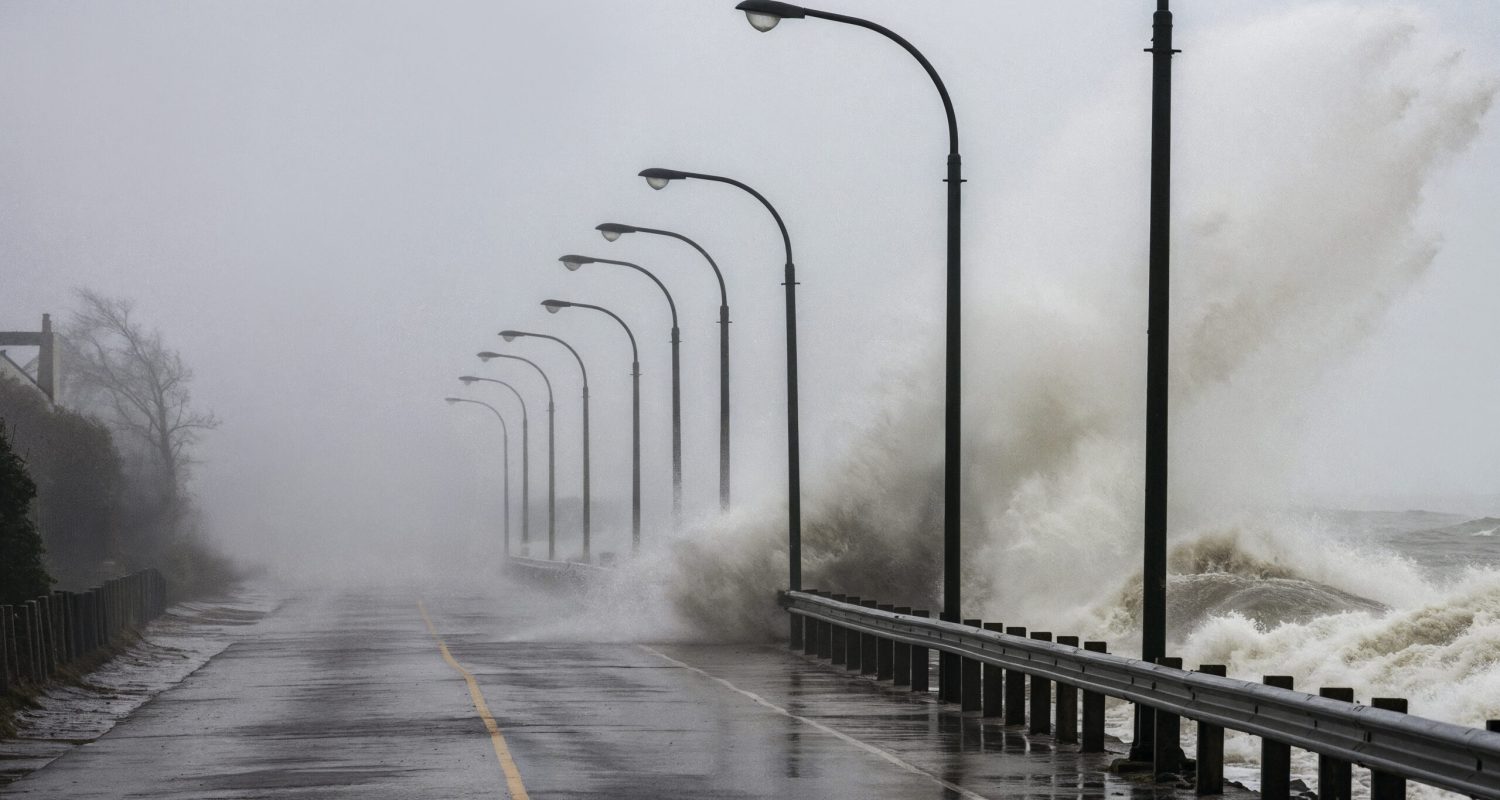
Even though Orlando is inland, storms do not magically disappear once they cross the coast. They slow down. They expand. And they continue to produce wind, flooding, rainfall, and tornado-like activity that can damage buildings, roofs, signs, windows, and more.
Orlando has a history of storm impacts
Floridians know that hurricanes do not have to make landfall in Orlando to create real damage. Major storm systems have crossed the state and continued producing destructive winds well after hitting the coastline.
Roofs peel. Trees fall. Power outages last days. Roads flood. Businesses stay closed.
For historical risk resources, FEMA provides a helpful overview of hurricane preparedness for businesses, here.
And for restaurants, every day closed means lost inventory, lost staff hours, lost revenue, and sometimes long-term financial stress.
Many restaurant owners think only about flooding when they think of “storm damage.”

Wind is often more damaging than people realize
But in many hurricane claims, wind is actually the biggest culprit.
Wind can:
- Tear off roof shingles or entire roof sections
- Break windows or doors
- Damage outdoor dining areas and signage
- Cause structural stress over time
- Push water inside the building
- Knock down power lines
- Contribute to business interruption
That is exactly why understanding windstorm coverage is so important.
What hurricane and windstorm insurance really means for restaurant owners
Here is where it gets confusing.
“Hurricane insurance” and “windstorm insurance” are not always separate standalone policies. In many cases, they are part of bigger commercial insurance packages.
How coverage is usually structured
For restaurants, coverage is often bundled into policies like:
- Property coverage
- Business Owners Policies
- Special endorsements
- Additional riders

Some policies automatically include wind coverage. Some exclude it unless added. Some include it but with higher deductibles.
This is where reviewing your policy carefully becomes critical.
Deductibles for hurricane and windstorm claims can be different
Many business owners only look at the deductible listed on the first page of their policy. But hurricane deductibles are often a percentage of the insured value rather than a flat dollar amount.
For example, if your property is insured for 500,000 dollars and your hurricane deductible is 2 percent, that means your deductible could be 10,000 dollars.
Understanding this in advance helps avoid big surprises later.
How this affects restaurants in real life
Let’s walk through common scenarios we see in Orlando and across Florida.
Scenario 1: A storm does not hit Orlando directly, but your roof is damaged
Wind gusts reach 60 to 80 miles per hour. Your roof loses shingles. Water leaks into the kitchen. Drywall and equipment are damaged.
Without proper wind coverage, some or all of this may not be covered.
Scenario 2: You stay closed for several days due to outages and damage
Spoiled food. Lost reservations. Lost staff wages. No revenue.
Depending on your policy, business interruption coverage may help. But only if storm-related damage is included.
Scenario 3: A tree falls on your outdoor dining area
Patio destroyed. Fencing broken. Furniture damaged.
Again, coverage depends on your property limits and whether storm perils are included or excluded.
These real-world examples are exactly why we talk to restaurant owners about building coverage that reflects how business actually works, not just what sounds good on paper.
Where General Liability fits in, and where it does not
We get this question a lot:
“I already have General Liability. Does that cover storm damage?”
The short answer is no.
General Liability focuses on things like third-party injuries and accidents on your premises. That is incredibly important, and we absolutely recommend it for every restaurant.
You can learn more about General Liability coverage here.

But when it comes to damaged roofs, broken doors, structural damage, or destroyed equipment from wind or hurricane conditions, that is typically handled by property-related coverage, not liability coverage.
That is why restaurant owners often need more than one type of policy working together.
Why Restaurant Insurance in Florida needs to account for storms
Florida is unique. Our geography, weather patterns, and coastal exposure make insurance planning different from many other states.
We help many clients explore Restaurant Insurance in Florida, and windstorm and hurricane exposure is always a key conversation.
When customizing policies, we look not only at your building, but also:
- Your roof age and materials
- Location relative to flood zones
- Equipment replacement costs
- Whether you rely on outdoor seating
- Access roads that may flood or close
- Your power outage risk
- How long you can afford to be closed
Because insurance is not just about replacing property. It is about protecting the continuity of your business.
How much can you actually save in hurricane and windstorm claims when you’re properly covered?
One of the questions I hear most often is:
“Okay, so coverage sounds important… but what does it really save me in dollars?”
It’s a fair question. And while every restaurant, building, and policy is different, there is one thing I see over and over again:
Being properly covered doesn’t just help you recover, it often prevents massive out-of-pocket losses that could take years to bounce back from.
Let’s walk through what that really means.
Wind and hurricane damage adds up faster than most owners expect
When storms hit, costs rarely come from just one problem. They stack.
Here are common storm-related expenses we see in restaurants:
- Roof repair or replacement
- Damaged refrigeration and kitchen equipment
- Water-damaged walls and flooring
- Mold remediation
- Electrical repairs
- Signage and exterior repairs
- Outdoor seating and awning replacement
- Lost food inventory
- Cleanup and debris removal
- Days or weeks of lost incom
When businesses are not covered correctly, these numbers can climb into the tens of thousands, sometimes even hundreds of thousands very quickly.

Realistic examples of what coverage might help protect you from
These are typical ranges we see in storm claims across Florida. Again, not guarantees, just real-world examples.
Roof and structural repairs
$8,000 to $60,000+ depending on damage and building size
Kitchen equipment replacement
$5,000 to $40,000 if refrigeration units, ovens, or appliances short-circuit
Water damage and mold remediation
$3,000 to $25,000 depending on severity
Outdoor dining, signage, or awnings
$2,000 to $15,000+
Business interruption losses
For many restaurants, even being closed 5–10 days can mean $10,000 to $50,000+ in lost revenue.
With the right combination of property coverage, windstorm protection, Business Owners Policies, and properly structured limits, a large portion of these expenses may be absorbed by insurance rather than your bank account.
What “saving money on claims” really looks like
Here’s what we often see when restaurants have strong hurricane and windstorm protections in place:
- Instead of paying $25,000 out-of-pocket for roof repairs, the owner only pays the deductible.
- Instead of replacing $18,000 in spoiled food inventory alone, coverage helps offset the loss.
- Instead of losing two weeks of income entirely, business interruption coverage helps bridge the gap.
- Instead of taking out loans to reopen, the owner uses coverage to get back in business faster.
In many situations, the difference between being covered and not being covered can easily equal years of insurance premiums and sometimes the survival of the restaurant.
The biggest “savings” is your ability to reopen
Money matters, but there’s something even more important.
When restaurants cannot recover financially after a storm, they sometimes close permanently.
Being properly covered helps protect:
- Your staff and their jobs
- Your reputation and regular customers
- Your investment in the business
- Your ability to keep serving your community
That peace of mind, in my opinion, is one of the greatest financial advantages of all.
What about flood insurance in Orlando?
Another big misconception is that flood risk exists only near the coast.
In reality, interior flooding often happens due to heavy rainfall, overwhelmed drainage systems, or rising lakes and retention ponds.
Flood coverage is often separate, and it is not always included in regular property insurance. Many restaurant owners choose to add it, especially in areas with poor drainage or history of water buildup.
What government and official resources say about storm risk
If you want to explore risk data yourself, there are several places to start.
The State of Florida also offers preparedness guidance for businesses through official resources like the Florida Division of Emergency Management.
Between FEMA, NOAA, and state emergency sites, one message is consistent.
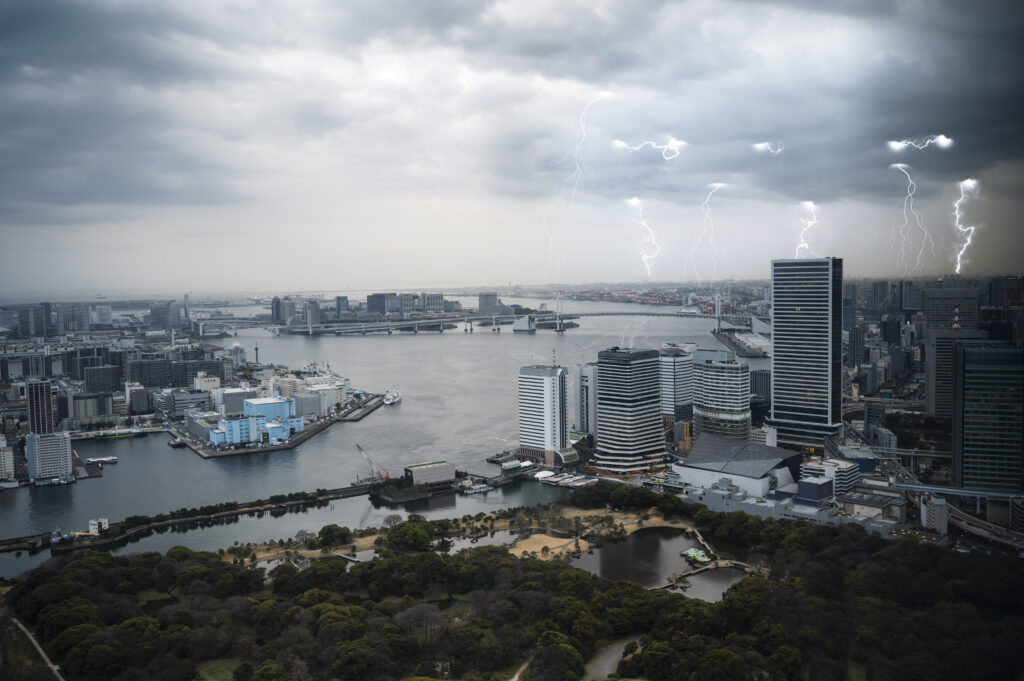
Storms are unpredictable. Even inland areas are vulnerable.
And proactive planning matters.
How we help restaurant owners think through storm coverage
When we talk with restaurant owners in Orlando, our process is simple and transparent.
Step 1: Review what you already have
Many restaurant owners actually have partial coverage, but not the right combination. Others are paying for things they do not really need while missing crucial protections.
Step 2: Identify gaps related to wind and hurricanes
We specifically look at exclusions, deductibles, and any unclear wording related to windstorm events.
Step 3: Align coverage to real business risk
That means we don’t simply sell a policy. We talk about how your restaurant actually operates, your risk tolerance, and your financial reality.
Sometimes that includes adjusting General Liability coverage and ensuring everything integrates well.
Other times, it involves exploring options through comprehensive restaurant-focused packages.
The goal is always protection that makes sense, not just paperwork that satisfies a requirement.
Lessons learned from past storms across Florida
We have seen patterns over time.
Restaurants that plan ahead recover faster
Owners who prepared tend to reopen sooner. They know their deductible. They know who to call. They know what coverage applies.

Restaurants that assume Orlando is “safe enough” often struggle most
They discover exclusions after the fact. Or they learn that repairs are far more expensive than expected. Sometimes they wait months to reopen or close permanently.
Storm risk may feel distant, but it becomes very real when it directly affects your livelihood.
Practical steps restaurant owners in Orlando can take today
You do not need to overhaul everything overnight. Start small, but start.
Review your current policy carefully
Look specifically for:
- Windstorm exclusions
- Hurricane deductibles
- Business interruption limits
- Replacement cost vs. actual cash value
- Flood coverage options
- Coverage caps on outdoor areas and signage
If anything confuses you, that is completely normal. Insurance language can feel technical and overwhelming. We are always happy to walk through it with you line by line.
Document your property now, not later
Take photos. Keep receipts. Save service records.
Good documentation helps speed claims dramatically.
Create an emergency operating plan for your team
Know how you will handle:
- Inventory protection
- Power loss
- Staff communication
- Temporary closure announcements
- Post-storm cleanup procedures
Planning ahead protects both your business and your team.
Another question I hear often from restaurant owners is:
“If I have insurance, won’t the claim just get paid?”
I wish it were always that simple.
One of the leading reasons storm-related insurance claims get delayed, underpaid, or denied entirely is lack of proper documentation.
Not fraud.
Not bad faith.
Just incomplete records.
Claims adjusters have to prove the loss, not just believe it happened
When a hurricane or windstorm damages your restaurant, the insurance company has a job to do. They must verify:
- What existed before the storm
- What was damaged because of the storm
- What the value of those items actually was
- Whether maintenance issues contributed to the damage
- Whether the loss is covered under the policy
When documentation is missing, it becomes harder to prove each part of the claim.
And that’s where problems start.
What “poor documentation” looks like
Here are common issues we see when restaurant owners file claims:
- No recent photos of the building or roof condition
- No receipts for equipment, furniture, or appliances
- No inventory records for food spoilage claims
- No maintenance records showing repairs and upkeep
- Only verbal estimates instead of written estimates
- Missing contracts for outdoor seating, awnings, or signage
- No timeline of when damage occurred
In these situations, adjusters sometimes reduce the payout or deny certain portions altogether simply because the damage cannot be clearly verified.
Do claims really get denied because of documentation?
Yes, and it happens more than most owners expect.
Industry reports and disaster-recovery analyses consistently show that after major storms, a significant portion of disputed or unpaid claims relate to:
- Documentation gaps
- Incomplete paperwork
- Missing proof of ownership or value
- Unclear before-and-after evidence

That doesn’t mean every denied claim is about paperwork, but it plays a big role.
And the frustrating part?
Many of these denials could have been avoided with basic preparation.
Simple documentation habits that make claims MUCH smoother
Here are steps that genuinely help protect you:
Take photos every year and after upgrades
Exterior, roof, dining area, kitchen, storage rooms, signage, and outdoor seating.
Save receipts and invoices digitally
Equipment, repairs, furniture, technology, and improvements.
Keep inventory records
Especially refrigerated and frozen items.
Document maintenance work
Roof work, electrical, plumbing, HVAC, grease traps, fire systems.
Create a storm damage folder
If a storm hits, add photos immediately, plus dates, times, conversations, and estimates.
When adjusters can clearly see:
“Here’s what existed, here’s what happened, here’s what it cost,”
Your claim typically moves faster and outcomes are usually better.
Proper coverage + proper documentation work together
Having hurricane or windstorm coverage is critical.
But coverage alone is not enough.
Strong documentation:
- Supports your claim
- Reduces disputes
- Speeds up payouts
- Helps ensure you receive what you’re entitled to under your policy
And when we work with restaurant owners, this is something we actively talk through because it makes a real difference when storms hit.
Why inland businesses still invest in storm insurance
Here is the bottom line.
Wind and hurricane risks are not limited to coastal zip codes. Orlando is inland, but it is still Florida. The storms that enter our state do not stop at the beaches.
Hurricane and windstorm coverage is less about geography and more about resilience. It is about giving your restaurant a fighting chance to reopen, repair, and continue serving your community after unexpected weather events.
And yes, many restaurants in Orlando choose this coverage for precisely that reason.
Let’s make sure your restaurant is truly protected
Our role is not only to provide policies. It is to be a partner that helps you feel confident, supported, and prepared.
Whether you are opening your first restaurant or managing several locations, we are here to help you evaluate risk, explore options, and build coverage that fits the real world.
If you would like us to review your current insurance, answer questions, or provide a free quote, reach out anytime. We would be happy to help you protect what you have worked so hard to build.
We’re here for you, and we look forward to supporting your restaurant, today and in the future.
Contact US today and brew with confidence tomorrow.
Instagram: @insurance.cis
Phone: (321) 830 – 0006
Email: info@usa-cis.com
Web: https://usa-cis.com
Facebook: Commercialize Insurance Services