Restaurant Insurance
If you own a restaurant, there is a good chance you have looked at an insurance quote at some point and thought the same thing many owners do: why is this so expensive?
It is a fair question. From the outside, restaurant insurance can feel like it should be simple. You have a location, employees, equipment, customers, and a business to protect. But restaurant risk is rarely simple, and that is one of the biggest reasons coverage often costs more than owners first expect.
For restaurants in Florida, that pressure can be even stronger. Insurance costs are influenced not only by the basic structure of the business, but also by customer traffic, food service exposure, employee injury risk, property values, weather events, delivery activity, alcohol service, and interruption risk. The U.S. Small Business Administration notes that businesses should assess what kinds of accidents, natural disasters, and lawsuits could damage the company before buying coverage, and for restaurants that list tends to be long.
That does not mean restaurant insurance is overpriced by default. It means the business itself carries more layers of exposure than many owners realize. And when those exposures are not understood clearly, insurance can feel expensive without making sense.
The better way to approach the question is this: what exactly is driving the cost, and what does that price actually protect you from?
Once restaurant owners understand that, the conversation becomes much more useful.
Restaurants Carry More Liability Than Many Small Businesses
One of the main reasons restaurant insurance costs more than many owners expect is that restaurants simply face more everyday liability exposure than a lot of other small businesses.
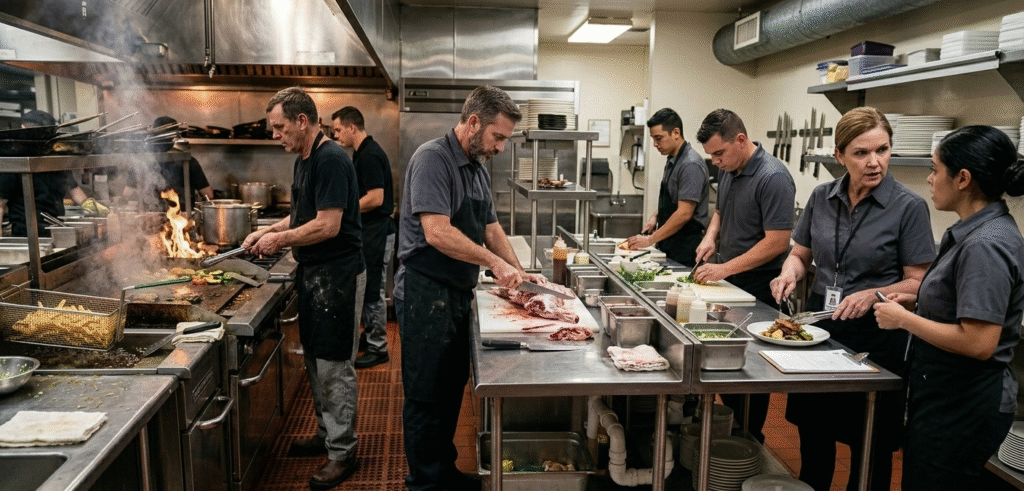
An office with limited public traffic does not usually deal with the same combination of risk a restaurant does. A restaurant brings together:
- customers moving through the property
- wet floors and fast-paced service areas
- hot surfaces and sharp tools
- food handling and sanitation exposure
- alcohol service in some operations
- employee injuries in kitchens and prep areas
- potential delivery or catering exposure
Each one of those adds pressure to the insurance picture.
CIS’s own restaurant and entertainment insurance page highlights this mix clearly by emphasizing general liability, property protection, liquor liability, and workers’ compensation as core parts of restaurant risk planning.
This is one reason owners often compare restaurant insurance to general small business insurance and feel confused. The comparison is not always fair. Restaurants are not generic businesses. They are public-facing, operationally intense, and vulnerable to multiple categories of loss at the same time.
That makes the underlying premium logic easier to understand.
Customer Injury Risk Pushes Premiums Higher
If you want to understand why restaurant insurance costs more, start with one basic reality: customers can get hurt more easily in a restaurant than in many other businesses.
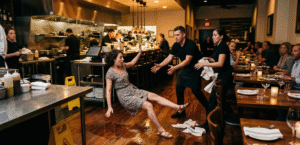
A customer can slip on a wet floor. A guest can be injured by unstable seating or crowded movement paths. Someone can claim food-related illness. In some restaurants, a customer may also be exposed to alcohol-related risk.
These claims are not theoretical. They are exactly the type of situations liability coverage is designed to address, and they are part of why restaurants typically carry stronger liability needs than lower-traffic businesses. The SBA specifically points business owners toward insurance as protection against accidents and lawsuits, both of which are very relevant to hospitality operations.
This is also why commercial liability matters so much in restaurant insurance. It is not just a nice extra layer. It is one of the reasons the policy exists in the first place.
If your business brings the public onto the premises every day, you are paying in part for the reality that public-facing businesses tend to create more third-party injury exposure than private or low-contact operations.

Employee Injury Risk Is Higher in Restaurants Than Owners Often Admit
A second major cost driver is workers’ compensation exposure.
Restaurants are labor-intensive businesses. Employees move quickly, lift heavy items, work around heat, knives, slippery surfaces, and repetitive physical motions. Even when operations are well run, the job itself carries injury potential.
Florida’s workers’ compensation rules are a major part of this conversation. The Florida Division of Workers’ Compensation states that employers conducting work in Florida are required to provide workers’ compensation coverage based on industry type, employee count, and entity structure. The Florida Office of Insurance Regulation also explains that workers’ compensation is coverage purchased by the employer for job-related employee injuries and that Florida law requires most employers to carry it.
For restaurants, that means insurance pricing is not just reflecting property and customer claims. It is also reflecting the likelihood that someone on staff may eventually be injured while working.
This is one reason restaurant owners who compare quotes casually with other businesses often feel frustrated. The premium is not just pricing the building. It is pricing the human risk inside the operation.
Property Coverage Is More Expensive When the Space Is More Vulnerable
Restaurants tend to contain expensive and highly exposed property.
Think about what is inside a typical restaurant:
- kitchen equipment
- refrigerators and freezers
- prep stations
- furniture and fixtures
- point-of-sale systems
- HVAC dependency
- food inventory
- specialty equipment
- sometimes custom build-outs
That property is not only valuable. It is also vulnerable.
A restaurant kitchen has heat, grease, moisture, plumbing, electrical strain, refrigeration dependence, and high daily usage. That environment is simply harder on property than many lower-intensity businesses.
In Florida, the issue becomes even more complicated because weather exposure matters. The SBA specifically encourages business owners to consider whether the location is at risk from seasonal events and notes that commercial property insurance helps protect against those losses. Florida’s consumer storm preparedness guidance also stresses that storms are a normal part of life in the state and that proactive planning helps reduce impact and recover faster.
So when owners see pricing on property-related protection, they are not just paying for square footage. They are paying for the type of property, the intensity of use, and the environmental exposure tied to operating in Florida.
Florida Weather Changes the Insurance Conversation
Restaurant insurance in Florida is not priced in the same mental environment as restaurant insurance in a low-storm, lower-humidity state.
Weather matters here. A lot.
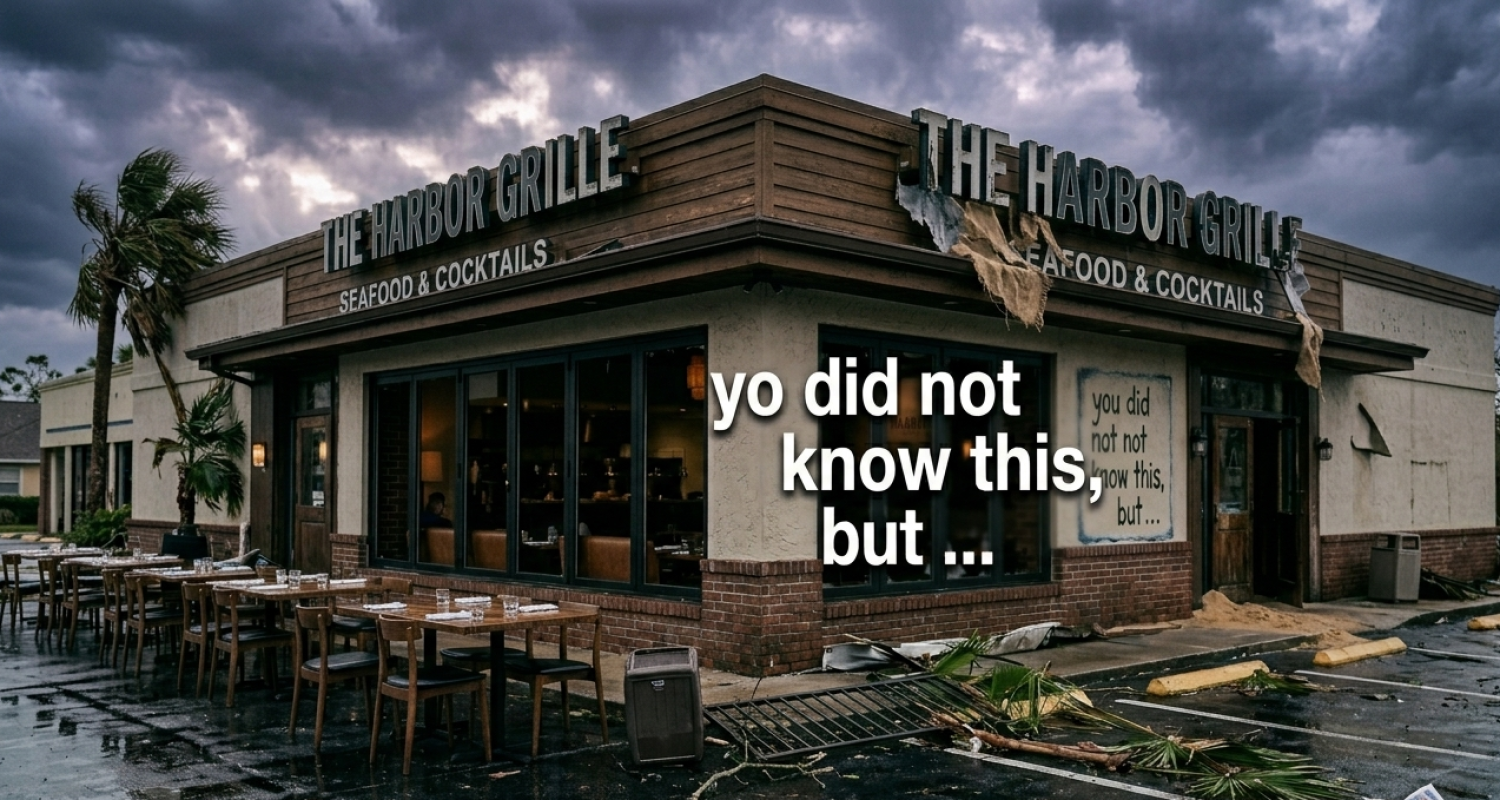
Storms, wind, water intrusion, roof exposure, power outages, and storm-driven shutdowns are all part of how risk is evaluated. The National Restaurant Association’s hurricane recovery resources specifically frame disaster planning as essential for restaurants because preparation and recovery speed matter operationally.
Even a restaurant that avoids catastrophic structural loss can still suffer:
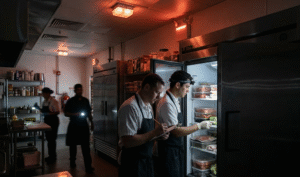
- spoilage after power outages
- closure during cleanup
- equipment disruption
- lost revenue during downtime
- damage to signs, patios, or outdoor service areas
Florida business owners often underestimate how much this affects premium logic. The cost of insurance reflects not just likely everyday claims, but the fact that the location operates in a state where weather-related losses are part of the landscape.
This is one of the biggest reasons a Florida restaurant’s policy may cost more than what an owner casually expected.
Liquor Liability Can Change the Price Significantly
Not every restaurant serves alcohol. But for those that do, the insurance conversation changes immediately.
Alcohol service raises the severity of potential claims because incidents involving intoxication can become much more serious. A claim may involve injuries, property damage, assault allegations, or auto-related consequences after service. Even if those events are infrequent, the severity potential is high.
That is why liquor liability is often a major cost factor in restaurant coverage. CIS’s restaurant and entertainment insurance page lists liquor liability as a distinct protection area for restaurant and entertainment businesses, which reflects how important that exposure can be.
From the owner’s point of view, this can feel frustrating because many nights may pass with no issue at all. But insurance is priced around exposure, not optimism. If alcohol is part of the business model, that risk tends to be reflected in the premium.
Delivery, Catering, and Off-Site Operations Add Another Layer
A lot of restaurants no longer operate only as dine-in businesses.
Many now rely on:
- in-house delivery
- catering
- off-site events
- supply transport
- manager errands
- employee use of personal vehicles for work tasks
Every one of those activities expands the risk footprint.
If vehicles become part of revenue generation or operations, the business may need to think more seriously about commercial auto and hired/non-owned auto exposure. CIS also offers a commercial auto line, which reflects how common vehicle-based business risk has become for modern operations.
This matters because owners often forget that the restaurant is no longer just a location. It is an operating system that now includes movement, transport, and potentially auto liability.
Once that happens, insurance cost starts reflecting more than what happens inside the dining room.
More Employees Usually Means More Cost Pressure
Another reason restaurant insurance costs more than many owners expect is simple scale.
More employees can mean:
- more workers’ compensation exposure
- more opportunities for workplace injuries
- more operational inconsistency
- more training variability
- more chances for human error
Restaurants often experience turnover that is higher than many other businesses, which can indirectly add pressure to safety and claim patterns. Even if an owner runs a tight operation, the insurance market still sees staffing intensity as part of the risk.
This is one reason premium increases can surprise owners who are growing. They think of growth as a positive business story, which it is. But growth can also mean a higher insurance cost because the operation now has more moving parts, more people, and more ways for something to go wrong.
Claims History Matters More Than Owners Want It To
Insurance pricing is not only about what your restaurant could face. It is also about what it already has faced.
A history of prior claims can change pricing, sometimes sharply. That may include:
- slip-and-fall incidents
- property losses
- employee injuries
- storm-related claims
- alcohol-related incidents
- auto-related losses tied to operations
This can feel unfair to owners who believe they have corrected problems since the last event. But from the insurer’s point of view, claims history is one of the clearest available indicators of actual risk.
That is why one expensive year can affect the business for longer than owners hope. The policy is being priced not just as a clean theoretical exposure, but as a business with a demonstrated claims pattern.
Replacement Costs Have Gone Up, and That Changes Everything
Another factor many owners miss is that the cost to repair or replace restaurant property has increased.
Equipment costs, labor, materials, specialized installation, refrigeration systems, electrical work, and construction-related expenses have all become more expensive over time. That means the value required to properly insure a restaurant location may be higher than what the owner has in mind based on older numbers.
If the business has not reviewed property values or rebuild assumptions recently, it may be underestimating what adequate protection really costs.
This is one reason cheaper quotes can be misleading. A low premium may not always mean efficient pricing. Sometimes it means the policy is not built on current replacement realities.
Business Interruption Protection Adds Value — and Cost
One of the hardest parts of a restaurant loss is not just the repair bill. It is the revenue that disappears while the restaurant is closed or partially shut down.
That is why business interruption protection matters so much in hospitality. It also helps explain why restaurant insurance may cost more than owners expect.
A restaurant can lose money quickly during downtime because:
- daily revenue stops
- payroll pressure remains
- rent and recurring bills continue
- customers shift elsewhere
- events and reservations are canceled
- spoilage and restart costs increase
This kind of exposure is especially painful in Florida, where storms and utility disruption can force shutdowns even when the building is not totally destroyed. That is why preparedness guidance for Florida businesses repeatedly focuses on continuity and recovery planning.
Owners sometimes resent paying for interruption-related coverage until they imagine trying to reopen after a closure without it.
Why Cheaper Restaurant Insurance Can Become More Expensive Later
This is probably the most important mindset shift in the whole topic.
Many owners see a higher quote and ask, “Why is this so expensive?”
A better question is often, “What happens if I buy the cheaper one and it fails when I need it?”
Cheaper restaurant insurance can become more expensive later if it means:
- lower liability limits
- higher deductibles than the business can absorb
- weak interruption protection
- underinsured property values
- missing liquor liability
- inadequate coverage for delivery exposure
- policy structures that no longer match the operation
That is why cost should be evaluated against consequence, not just premium.
From the outside, the higher quote looks like the expensive option. But after a major claim, the weak policy is often the one that ends up costing the business far more.
Why Restaurants Need More Specialized Coverage Than Many Owners Realize
The deeper truth is that restaurants are difficult businesses to insure well because they combine so many categories of exposure at once.
A restaurant may involve:
- customer injury risk
- food-related claims
- employee injury exposure
- equipment dependence
- property intensity
- weather disruption
- delivery exposure
- alcohol service
- event or entertainment features
That mix is exactly why restaurant owners should think in specialized terms rather than generic small-business terms.
CIS’s restaurant and entertainment page reflects this reality by presenting restaurant coverage as a more tailored structure rather than a one-size-fits-all package. That is also why broad commercial liability protection remains central, because the restaurant’s public-facing nature creates exposure that often reaches well beyond property damage alone.
When owners understand this, the cost starts to make more sense. The policy is not expensive because insurers dislike restaurants. It is expensive because restaurants carry complex and overlapping risk.
What Owners Should Review Before Focusing Only on Price
Before deciding a quote is too high, restaurant owners should slow down and review a few questions:
- What risks is this quote actually addressing?
- Does the policy match how the restaurant operates today?
- Are we comparing equal coverage, or just equal premium?
- Have we added delivery, alcohol service, events, or new equipment since the last review?
- Could we survive a serious customer claim or a shutdown after a storm?
- Are the limits realistic for current repair and replacement costs?
These questions matter because insurance is one of those rare business expenses where the true value only becomes obvious when something goes wrong.
Final Thoughts: Restaurant Insurance Costs More Because the Risk Is Real
Restaurant insurance costs more than many owners expect because the business itself is riskier, more complex, and more exposed than it first appears.
A restaurant is not just a place that serves food. It is a property-heavy, employee-intensive, customer-facing, interruption-sensitive operation with multiple ways to generate claims. In Florida, weather adds another serious layer to that exposure.
That does not mean owners should accept every quote without scrutiny. It does mean the cost should be judged in context.
A cheaper policy may look attractive until a customer gets hurt.
Until an employee is injured.
Until a storm shuts the business down.
Until spoilage hits after a power outage.
Until a delivery accident raises questions no one answered in advance.
The right question is not just why restaurant insurance costs more. It is whether the policy is protecting the business from the risks that could hurt it most.
When owners think that way, the cost stops looking random and starts looking like what it really is: the price of protecting a business with real exposure in a state where risk gets tested.