At CIS, we spend every day helping Florida business owners understand risks that are often overlooked until it is too late. One of the most underestimated exposures we see across Central Florida is what happens when freezing temperatures arrive and stay longer than expected.
Cold snaps in Florida are not just uncomfortable. They create a unique and often severe risk environment because local properties, systems, and infrastructure were never designed for sustained freezing conditions. These conditions amplify vulnerabilities across plumbing, HVAC, fire protection systems, roofing materials, electrical grids, and business continuity planning.
This article is designed to understand why Cold weather risks deserve serious attention, how insurance coverage is often misunderstood during freeze events, and what steps businesses should take now to protect operations, assets, and revenue.
At CIS, we believe trust is built through education. The more informed you are, the better decisions you can make for your business.
Why Central Florida Properties Face Higher Cold Weather Exposure
Florida construction standards prioritize heat resistance, humidity control, and hurricane protection. While these factors are essential, they do not account for prolonged freezing temperatures. When cold weather moves south and lingers, the result is not just discomfort but increased operational and structural risk.
Cold weather risks escalate because pipes, insulation, roofing materials, sprinkler systems, and HVAC components are not typically rated for extended exposure below freezing. Unlike northern states, Florida properties often lack freeze protection measures such as insulated piping, heat tracing, or cold weather shutoff systems.
This mismatch between environmental conditions and building design is why even short cold snaps can cause widespread damage across Central Florida.
How Burst Pipes Create Immediate and Costly Losses
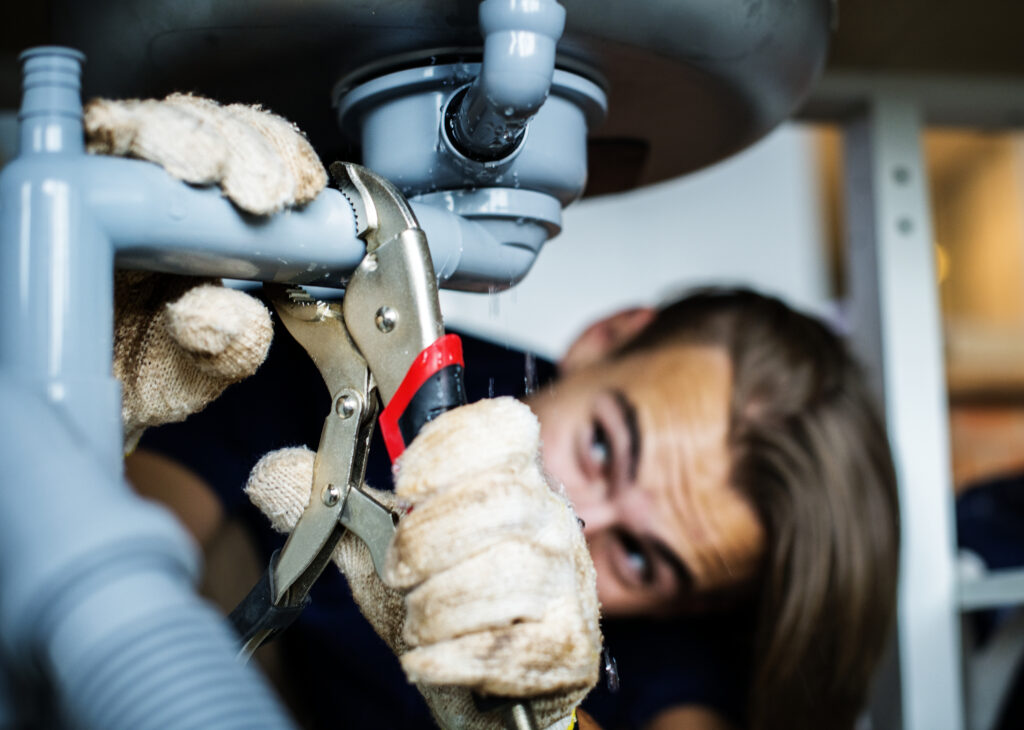
Burst pipes remain one of the most common and expensive outcomes of freezing temperatures in Florida. When water inside pipes freezes, it expands. This expansion creates pressure that can crack or completely rupture pipes, fittings, and valves.
Once temperatures rise and the ice melts, water flows freely through damaged lines, often unnoticed for hours or days. The resulting water damage can impact walls, ceilings, floors, electrical systems, and inventory.
At CIS, we routinely see freeze-related pipe losses that extend far beyond simple repairs. Businesses face mold remediation, structural drying, equipment replacement, and extended downtime.
Cold weather risks increase dramatically when properties lack proper insulation, when water is left running overnight without monitoring, or when exterior plumbing is exposed to freezing air.
Many insurance claims related to burst pipes are denied or limited due to failure to maintain systems or failure to take reasonable mitigation steps. Coverage often depends on whether the property owner acted responsibly to protect plumbing during freezing conditions
Water Damage Extends Beyond Plumbing Repairs
Water damage from burst pipes rarely stops at the point of failure. Once water spreads, it compromises materials that were never meant to absorb moisture. Drywall, wood framing, flooring adhesives, and insulation deteriorate quickly.
For businesses such as restaurants, bakeries, and food service operations, water intrusion can contaminate food preparation areas and storage spaces. Health department compliance becomes an immediate concern, adding regulatory pressure to an already stressful situation.
Cold weather risksinvolving water damage also impact insurance deductibles, claim limits, and policy renewals. A single freeze event can lead to long term premium increases if losses are not properly managed.
HVAC Failures During Cold Weather Events
Heating and cooling systems in Central Florida are designed primarily for air conditioning. When temperatures drop below normal ranges, HVAC systems are pushed beyond their intended function.
Frozen coils, cracked heat exchangers, failed compressors, and malfunctioning thermostats are common during extended cold snaps. Businesses relying on climate control for customer comfort, employee safety, or equipment performance are especially vulnerable.
HVAC failures during cold weather risks events can also cause secondary damage. When indoor temperatures drop, interior plumbing becomes more susceptible to freezing. Sensitive equipment and electronics may fail due to temperature stress.
Insurance coverage for HVAC losses often depends on maintenance records. Insurers may deny or limit claims if systems were not properly serviced or if pre existing issues contributed to the failure.
Why Malfunctioning Thermostats Create Customer Facing Risks for Certain Businesses
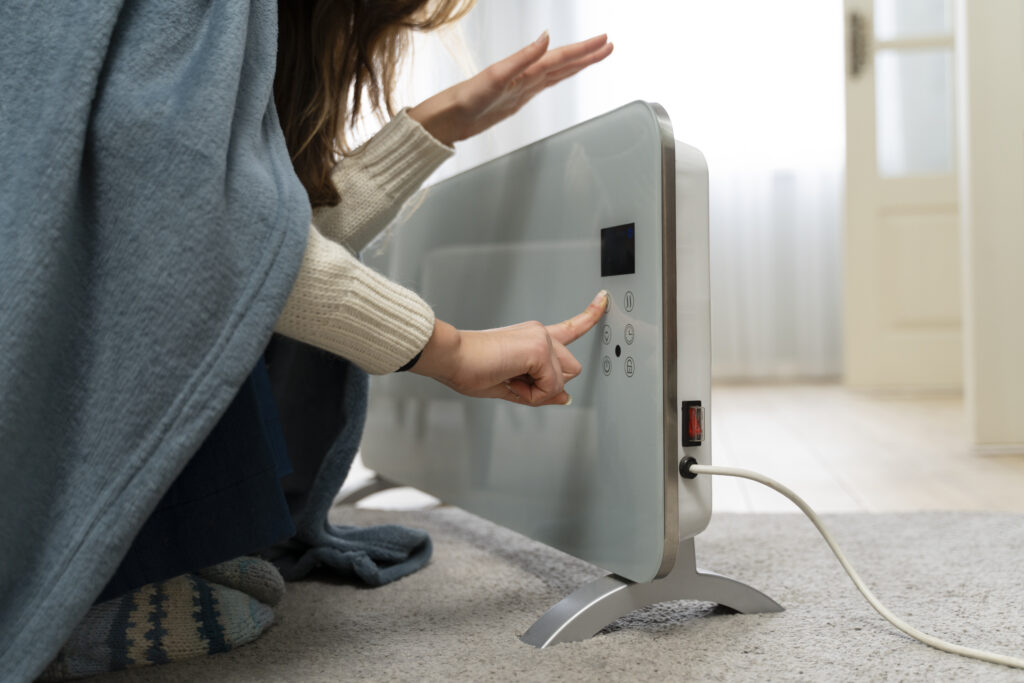
For many businesses in Central Florida, thermostats are more than a comfort control. They play a direct role in customer safety, experience, and brand perception. During cold snaps, a malfunctioning thermostat can quickly turn into a serious operational and reputational risk.
When thermostats fail to regulate indoor temperatures accurately, spaces can become excessively cold or fluctuate unpredictably. In customer facing environments such as restaurants, retail stores, medical offices, gyms, and hospitality venues, this creates exposure that goes beyond property damage.
Cold weather risks tied to thermostat failures often impact multiple aspects of a business at the same time, making them especially disruptive.
Impact on Customer Experience and Comfort
Customer experience is closely tied to physical comfort. When indoor temperatures drop too low, guests may feel uncomfortable, rushed, or unwilling to stay longer than necessary. In restaurants, this can reduce dwell time, affect ordering behavior, and ultimately lower average ticket value.
In retail environments, customers are less likely to browse or return if they associate the space with discomfort. Even short exposure to poorly regulated temperatures can shape perception and influence reviews.
Cold weather risksthat affect indoor climate control directly undermine the environment businesses work hard to create. Once customer trust is impacted, it can take time and effort to rebuild.
Health and Safety Concerns for Customers
Certain customer groups are more vulnerable to cold indoor conditions. Elderly individuals, children, and people with underlying health conditions may experience increased discomfort or health complications when exposed to low temperatures for extended periods.
In healthcare settings, salons, fitness facilities, and childcare related businesses, thermostat malfunctions can raise liability concerns. Cold indoor environments may contribute to muscle stiffness, respiratory irritation, or increased risk of illness, especially when combined with poor air circulation.
From an insurance perspective, cold weather risks related to customer health may increase the likelihood of liability claims, particularly if a business is aware of the issue but fails to address it promptly.
Reputational Damage and Long Term Brand Impact
In the digital age, customer experiences travel fast. Temperature related complaints often appear in online reviews, social media comments, and word of mouth conversations.
A single cold snap event that leads to repeated thermostat failures can create lasting reputational damage. Customers may associate the business with poor maintenance, lack of care, or inadequate management, even if the issue was temporary.
Cold weather risks that affect reputation can be more costly than physical damage. While equipment can be repaired, negative perceptions can linger and influence future purchasing decisions.
Why Thermostat Failures Are Also an Insurance Issue
From an insurance standpoint, malfunctioning thermostats are often tied to broader system failures. They can contribute to frozen pipes, HVAC breakdowns, refrigeration losses, and sprinkler system exposure.
Insurers may evaluate whether temperature monitoring systems were functioning and whether alerts were addressed in a timely manner. Failure to respond to known thermostat issues may be viewed as lack of mitigation, which can affect claim outcomes.
At USA CIS, we help businesses understand how small systems like thermostats play a critical role in managing Cold weather risks across customer experience, health exposure, and insurance protection.
Proactive monitoring, regular maintenance, and clear response plans are essential for businesses that serve the public. Addressing thermostat performance is not just about comfort. It is about protecting customers, preserving reputation, and reducing preventable risk.

Sprinkler System Freezing and Fire Protection Failures
Fire sprinkler systems are critical life safety components, yet they are frequently overlooked during freeze preparation. In Central Florida, many sprinkler systems are not equipped with freeze protection because freezing conditions are historically rare.
When sprinkler lines freeze, pipes can burst just like plumbing systems. The resulting water damage can be catastrophic, especially in commercial spaces with high ceilings and extensive piping networks.
Even more concerning, frozen sprinkler systems may fail to activate during a fire event. This creates serious liability exposure and potential compliance violations.
Cold weather risks involving sprinkler systems highlight the importance of regular inspections, proper insulation, and temperature monitoring. Insurance carriers often scrutinize sprinkler maintenance closely after freeze related claims.
Refrigeration Failures and Inventory Loss
Businesses that rely on refrigeration face unique challenges during cold snaps. While it may seem counterintuitive, freezing outdoor temperatures can disrupt refrigeration systems designed to operate within specific ambient ranges.
Condensers, refrigerant lines, and control systems can malfunction when exposed to extreme cold. Power fluctuations during winter storms further increase the risk of system failure.
Inventory losses from refrigeration breakdowns are often substantial. Spoiled food, compromised ingredients, and temperature abuse can lead to waste, lost revenue, and regulatory penalties.
Cold weather risks affecting refrigeration systems are particularly significant for restaurants, grocery stores, caterers, and food distributors. Proper insurance coverage for equipment breakdown and spoilage is essential.
Roof Damage From Temperature Swings
Central Florida roofs are built to withstand sun exposure, heavy rain, and hurricane winds. They are not designed for repeated freeze and thaw cycles.
When temperatures drop at night and rise during the day, roofing materials expand and contract. This movement can cause cracking, seam separation, and membrane failure. Moisture enters through compromised areas, leading to leaks and interior damage.
Flat roofs are especially vulnerable, as standing water can freeze overnight and expand into roofing materials. Over time, this accelerates deterioration and increases the likelihood of major repairs.
Cold weather risks involving roof damage are often excluded or limited under insurance policies if wear and tear or lack of maintenance is involved. Documentation and routine inspections play a critical role in claim outcomes.
Power Outages and Business Interruption Exposure
Cold snaps place significant strain on electrical grids, especially in regions not accustomed to high heating demand. Power outages during winter weather events can disrupt operations, damage equipment, and compromise inventory.
Businesses without backup power may be forced to close temporarily or permanently discard perishable goods. Security systems, lighting, point of sale systems, and communications may all be affected.
Cold weather risks related to power outages also extend to employee safety and customer experience. Slips, falls, and accidents increase when lighting and climate control fail.
Business interruption coverage is often misunderstood. Many policies require physical damage to trigger coverage, meaning power outages alone may not qualify unless specific endorsements are in place.
Why Freeze Related Insurance Claims Are Often Denied
One of the most difficult conversations we have at CIS is with business owners who experience a loss but discover their claim is denied or limited.
Many freeze related claims hinge on maintenance, mitigation, and reasonable care. Insurers expect property owners to take proactive steps such as insulating pipes, maintaining HVAC systems, monitoring temperatures, and responding promptly to issues.
Cold weather risks become uninsured risks when preventative measures are ignored. Policies often contain exclusions for neglect, wear and tear, or failure to protect property from further damage.
Understanding policy language before a loss occurs is critical. This is why working with an experienced Florida insurance agency matters.
How CIS Helps Businesses Reduce Cold Weather Exposure
At CIS, we do not believe insurance should be reactive. Our approach focuses on risk awareness, prevention, and tailored coverage solutions.
We work closely with business owners to identify vulnerabilities related to cold weather risks and recommend strategies to reduce exposure. This includes reviewing property coverage, equipment breakdown endorsements, spoilage coverage, and business interruption options.
We also help clients understand policy obligations related to maintenance and loss mitigation. Education is a key part of building long term protection and trust.
Practical Steps Businesses Should Take Before the Next Cold Snap
Preparation is the most effective defense against cold weather risks. Businesses should develop a cold weather plan that includes system inspections, emergency contacts, and clear response procedures.
Plumbing systems should be evaluated for insulation and exposure. HVAC systems should be serviced and tested for cold weather performance. Sprinkler systems should be reviewed with qualified professionals to ensure freeze protection.
Backup power options should be considered, especially for operations dependent on refrigeration or climate control. Temperature monitoring systems can provide early warnings that prevent major losses.
Documentation of maintenance and preventative actions is essential for insurance purposes. Clear records strengthen claims and demonstrate responsible property management.
Why Cold Weather Risks Are Increasing in Florida
Climate patterns are shifting, and extreme weather events are becoming less predictable. According to recent weather reporting, cold air intrusions into the southern United States are becoming more frequent and intense, increasing the likelihood of freeze events in regions like Central Florida.
This weather reporting highlights how snow and freezing temperatures are reaching areas historically unaffected by winter conditions, catching property owners unprepared
Government resources emphasize the importance of winter preparedness even in warmer climates, noting that infrastructure not designed for cold weather faces higher failure rates during freeze events
The Insurance Information Institute also reports that freeze related losses continue to rise as properties in warm weather states experience unexpected cold exposure, leading to higher claim severity and increased underwriting scrutiny
How Proper Insurance Planning Protects Your Business
Insurance is not just about having a policy. It is about having the right coverage structured correctly for your specific risks.
Cold weather risks require careful evaluation of property limits, deductibles, exclusions, and endorsements. Generic policies may leave gaps that only become visible after a loss occurs.
At CIS, we help businesses align coverage with actual exposure. Our goal is to ensure clients understand what is covered, what is excluded, and what responsibilities they have before a claim ever happens.
Why Choosing a Florida Focused Insurance Partner Matters
Florida presents a unique risk environment. From hurricanes to heat waves to unexpected freezes, businesses face a wide range of challenges that require specialized knowledge.
CIS is built around understanding Florida risks. We combine local insight with objective insurance expertise to help businesses navigate complex coverage decisions with confidence.
Cold weather risks are just one example of how assumptions can lead to costly surprises. Working with an agency that anticipates these issues makes a measurable difference.
How USA CIS Supports Ongoing Risk Awareness
Our commitment does not stop at policy placement. We stay in touch with leads, clients, and service inquiries through ongoing education and actionable insights.
We believe that informed clients make better risk decisions. This is why we publish educational content, provide consultations, and offer risk assessments tailored to Florida businesses.
Cold weather risks will continue to evolve. Staying ahead of them requires proactive planning and trusted guidance.
Take the Next Step With USA CIS
If you own or operate a business in Central Florida, now is the time to review your exposure to Cold weather risks.
We invite you to contact us for a personalized consultation. Our team can help you assess vulnerabilities, review coverage, and identify opportunities to strengthen protection before the next cold snap arrives.
Request a risk assessment to better understand how your property, systems, and operations may be affected by freezing temperatures.
At CIS, we are committed to being your trusted insurance partner, not just during claims, but every step of the way.