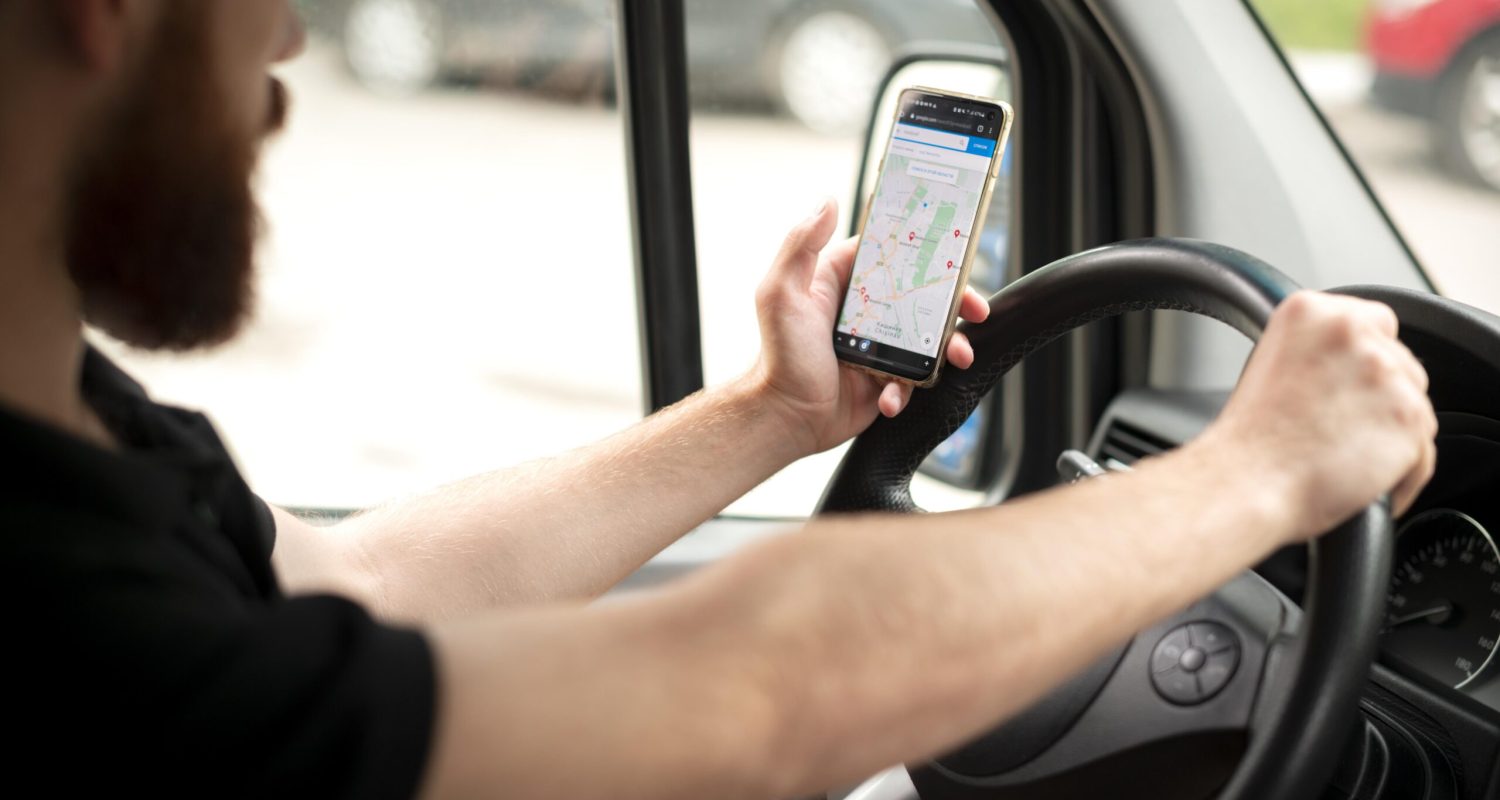
Running a business in Florida requires constant decision making. From staffing and inventory to compliance and customer experience, every choice has financial consequences. At CIS, we work closely with Florida business owners every day, especially restaurant owners and managers, who depend on vehicles to keep operations moving.
Commercial auto insurance exists to protect your business when a vehicle is used for work related purposes. This includes delivering food, transporting catering orders, picking up supplies, moving equipment, or allowing employees to drive on behalf of your business. While personal auto insurance is designed for individual use, it does not account for the higher risk, frequency, and liability that come with business operations.
When a vehicle is connected to how your business makes money, even on a part time basis, the exposure increases significantly. Accidents can involve customers, employees, pedestrians, or other drivers, and the financial impact can extend far beyond vehicle repairs. That is why having the right commercial auto insurance coverage is about much more than protecting a car. It is about protecting your income, your reputation, and the long term future of your business.
At CIS, our role is to help Florida business owners understand when commercial auto insurance is required, what it covers, and how to structure it properly so there are no surprises when a claim occurs.
When Do You Need Commercial Auto Insurance?
One of the most common questions we hear is when commercial auto insurance becomes necessary. Many business owners believe it only applies to large delivery companies or businesses with fleets. In reality, the threshold is much lower.
You generally need commercial auto insurance if a vehicle is used to support your business in any of the following ways:
- Delivering food, beverages, or catering orders
- Transporting kitchen equipment, tools, or inventory
- Driving to vendors, wholesalers, or multiple locations
- Allowing employees to drive for work related tasks
- Using a vehicle that displays business branding or signage
For restaurants, even limited delivery or catering services can trigger the need for commercial coverage. If an accident occurs during a delivery run and the vehicle is insured under a personal policy, the claim may be denied entirely.
If vehicle use directly supports your operations or revenue, that is usually the point where commercial auto insurance coverage becomes essential.

At What Point Does Personal Auto Insurance Stop Being Enough?
Personal auto insurance policies are written with strict definitions of acceptable use. While some policies allow limited business use, those allowances are narrow and vary significantly by carrier.
Personal auto insurance often stops being sufficient when:
- Business driving becomes regular or predictable
- The vehicle is owned or leased by the business
- More than one driver operates the vehicle
- The vehicle is used for deliveries or transporting goods
Many restaurant owners are surprised to learn that driving to pick up supplies, transporting catering equipment, or delivering food can fall outside personal policy terms. If an accident happens during these activities, the insurer may deny coverage.
This is where properly structured commercial auto insurance coverage protects both the vehicle and the business itself.
What Commercial Auto Insurance Covers
Commercial auto insurance is designed to address the broader risks businesses face when vehicles are part of daily operations. Coverage can be customized based on your business type, vehicle use, and risk profile.
Liability Coverage
Liability coverage pays for bodily injury and property damage caused to others. For restaurants, this is often the most critical coverage. Delivery accidents can result in serious injuries, damaged vehicles, and legal claims against the business.
Collision Coverage
Collision coverage helps pay for repairs or replacement of your vehicle after an accident, regardless of fault. This is essential for businesses that rely on vehicles to maintain daily operations.
Comprehensive Coverage
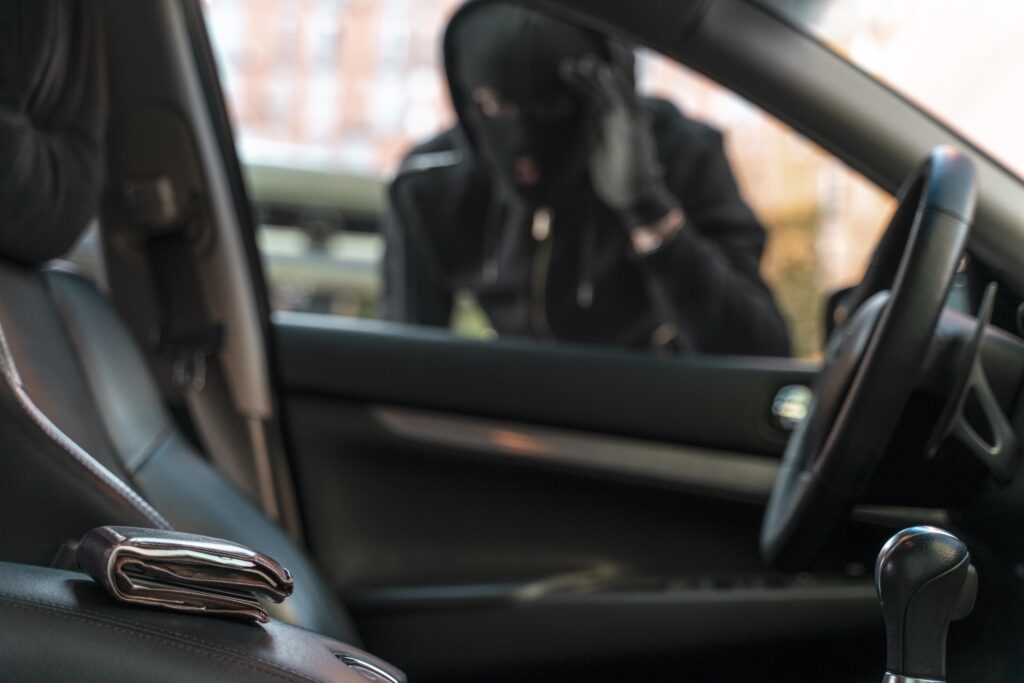
Comprehensive coverage protects against non collision losses such as theft, vandalism, fire, flooding, or storm damage. Given Florida weather conditions, this coverage is particularly important.
Medical Payments and Personal Injury Protection
These cover medical expenses for drivers and passengers, depending on policy structure and state requirements.
Uninsured and Underinsured Motorist Coverage
This coverage protects your business if your driver is hit by someone who does not carry sufficient insurance.
Together, these components form a strong commercial auto insurance coverage foundation that supports both daily operations and long term growth.
Commercial Auto Insurance Coverage vs Personal Auto Coverage
Understanding the difference between personal and commercial policies helps business owners avoid costly coverage gaps.
| Coverage Feature | Personal Auto Insurance | Commercial Auto Insurance |
| Business deliveries | Often excluded | Covered |
| Employee drivers | Not covered | Covered |
| Business owned vehicles | Not covered | Covered |
| Higher liability limits | Limited | Available |
| Tools or equipment | Not covered | Optional endorsements |
This comparison highlights why restaurants and service based businesses rely on commercial auto insurance coverage as operations expand.
How Much Is Commercial Auto Insurance Per Month?
Cost is one of the most searched topics related to commercial auto insurance. While there is no single price, most policies fall within predictable ranges.
Pricing is influenced by:
- Type of business and industry risk
- Vehicle type and value
- Driving radius and mileage
- Number of drivers and driving history
- Coverage limits and deductibles
Rather than focusing only on the lowest premium, we encourage business owners to focus on value. The right commercial auto insurance coverage can prevent losses that far exceed monthly costs.
Average Cost Comparison by Business Type
| Business Type | Estimated Monthly Cost per Vehicle |
| Restaurant with delivery | $150 to $350 |
| Catering service | $175 to $400 |
| Contractor or trades | $125 to $300 |
| Professional services | $100 to $250 |
These figures are estimates and vary based on claims history, vehicle use, and coverage structure.
Commercial Auto Insurance for Restaurants
Restaurants face unique risks due to delivery services, late operating hours, and frequent driver turnover. Whether drivers use company vehicles or their own cars, liability often falls on the business.
Delivery accidents frequently involve pedestrians, cyclists, or other vehicles, increasing claim severity. For restaurants offering delivery, catering, or mobile services, customized commercial auto insurance coverage is essential.
Employees Using Their Own Vehicles for Work
Many restaurants rely on employees to use their own vehicles for deliveries, catering drop offs, bank deposits, or quick supply runs. At first glance, this may seem like a simple arrangement. The employee has insurance, the vehicle is not owned by the business, and operations move faster. However, from an insurance and liability perspective, this setup creates one of the most misunderstood and underestimated risks for restaurants.
When an employee is driving for work related purposes, they are considered to be acting on behalf of the business. This means that if an accident occurs, liability does not stop with the driver. In many cases, the restaurant itself can be held responsible.
If an employee causes an accident while making a delivery or running an errand, several things can happen at the same time. The injured third party may file a claim against the employee’s personal auto insurance, but they may also pursue legal action against the restaurant. This is especially common when injuries are serious or damages exceed the employee’s personal policy limits.
From our experience at CIS, this is where many restaurant owners are caught off guard. Personal auto policies often have lower liability limits and may include exclusions for business use. If the employee’s insurer denies coverage or pays only a portion of the claim, the restaurant can be left exposed to lawsuits, legal defense costs, and settlements paid directly from business assets.
There are also operational consequences. A serious accident can lead to delivery interruptions, negative reviews, loss of customer trust, and increased scrutiny from regulators or delivery partners. Even if the restaurant is not ultimately found at fault, the cost of defending a claim can be significant.

Hired and Non Owned Auto Insurance
Hired and non owned auto insurance is designed specifically to address this risk. It provides liability protection for the business when employees use personal vehicles or when the business rents or borrows vehicles for work purposes.
This coverage does not replace the employee’s personal auto insurance. Instead, it sits on top of it, protecting the restaurant if a claim exceeds the employee’s limits or if the business is named in a lawsuit. For restaurants that rely on in house delivery drivers, catering teams, or managers running frequent errands, this coverage is often essential.
Without hired and non owned auto coverage, a single accident involving an employee’s personal vehicle can result in legal costs, settlements, and financial stress that far outweigh the cost of the policy. Including this option as part of your commercial auto insurance coverage helps ensure your restaurant is protected even when you do not own the vehicles being used.
At CIS, we encourage restaurant owners to view this coverage as a critical safeguard. It allows you to continue operating with confidence, knowing your business is protected when employees are on the road representing your brand.
Florida Legal and Liability Exposure for Business Vehicles
Operating business vehicles in Florida carries specific legal and financial responsibilities. Florida is a no fault state, but this does not eliminate business liability when an accident occurs.
When a vehicle is used for business purposes, courts often apply vicarious liability principles. This means the business can be held responsible for an employee’s actions while performing job duties.
Restaurants are particularly exposed due to delivery operations. Even if an employee causes an accident, the business may still be named in a lawsuit.
The Florida Department of Highway Safety and Motor Vehicles provides guidance on vehicle registration and compliance requirements at https://www.flhsmv.gov/
Maintaining compliant commercial auto insurance coverage helps protect your business when these legal standards are tested.
Single Vehicle Policies vs Fleet Commercial Auto Policies
Not every restaurant needs a fleet policy, but understanding the difference between single vehicle and fleet commercial auto policies is essential for planning growth and avoiding coverage gaps. As delivery demand increases and operations expand, the way vehicles are insured can have a direct impact on cost, efficiency, and risk management.
Single Vehicle Commercial Auto Policies
Single vehicle commercial auto policies are typically used by small restaurants, catering startups, food trucks, or owner operated businesses that rely on one primary vehicle. This may include a single delivery car, a catering van, or a vehicle used by the owner or manager for daily business tasks.
Coverage is tailored to one vehicle and usually includes a limited number of drivers. This structure keeps premiums more manageable and is often the right starting point for businesses just beginning to offer delivery or off site services. However, single vehicle policies can become restrictive as operations grow. Adding or removing vehicles may require policy adjustments, endorsements, or even separate policies, which can create administrative challenges over time.
For restaurants experiencing steady growth, this is often the stage where owners begin to consider whether a fleet policy would offer better flexibility and long term value.
Fleet Commercial Auto Policies
Fleet commercial auto policies are designed for businesses that operate multiple vehicles as part of their daily operations. For restaurants, this commonly includes multiple delivery vehicles, catering vans, or vehicles shared across locations. While some insurers define a fleet as five or more vehicles, others may offer fleet style policies with fewer vehicles, depending on usage and risk profile.
One of the key advantages of fleet commercial auto policies is centralized management. Instead of insuring each vehicle separately, all vehicles are covered under a single policy with consistent coverage terms, limits, and deductibles. This simplifies administration and reduces the risk of coverage inconsistencies between vehicles.
Fleet policies also provide greater flexibility. Vehicles can often be added or removed more easily as staffing and delivery needs change. This is particularly valuable for restaurants with seasonal demand, expanding delivery zones, or multiple locations that share vehicles.
From a cost perspective, fleet commercial auto policies can offer efficiencies over time. While not always cheaper upfront, they often provide more stable pricing, improved loss control options, and better long term cost management as the business grows. Insurers may also offer additional risk management resources, driver monitoring programs, or safety incentives for fleet insured businesses.
Another critical benefit is risk control. Fleet policies allow restaurant owners to implement standardized driver guidelines, maintenance schedules, and reporting procedures. This consistency can reduce accident frequency and severity, which directly impacts claims history and future premiums.
For restaurants heavily reliant on delivery, fleet commercial auto policies play an important role in protecting operations. If a vehicle is involved in an accident, coverage applies without confusion over which policy or driver is responsible. This clarity helps minimize downtime, protect cash flow, and maintain customer service standards.
Choosing between a single vehicle policy and a fleet commercial auto policy should be based on current operations and realistic growth plans. Selecting the right structure ensures your commercial auto insurance coverage evolves with your restaurant, supporting expansion rather than becoming an obstacle.
How Commercial Auto Insurance Works With General Liability and Workers Compensation
Commercial auto insurance does not operate alone. It works alongside other policies to create a complete protection strategy.
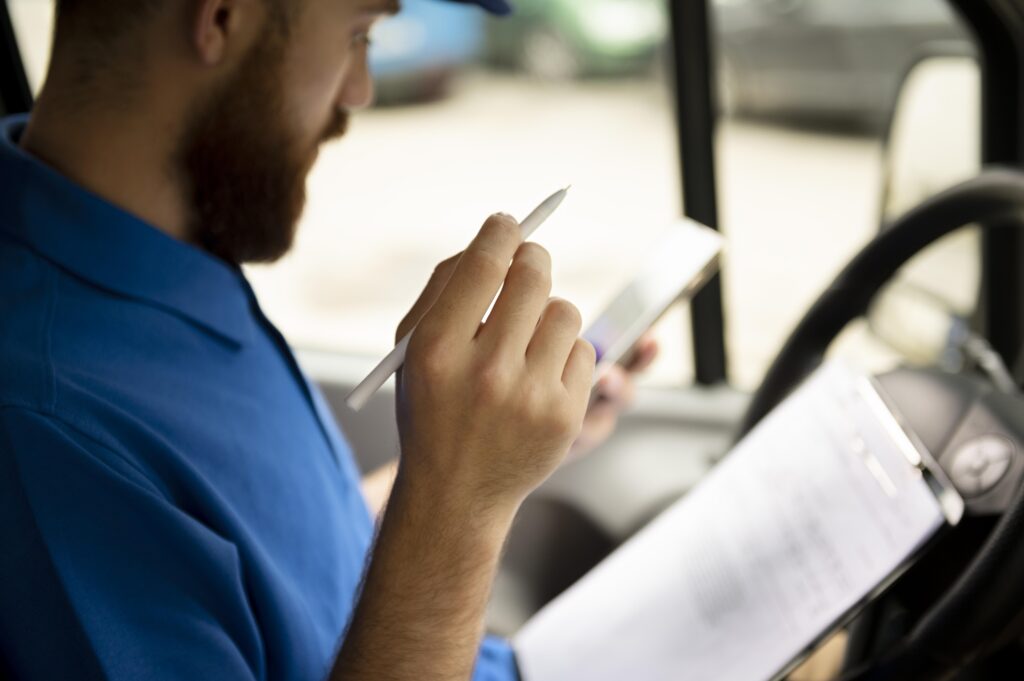
General liability insurance covers claims unrelated to vehicle use. Workers compensation covers employee injuries that occur while working.
If a delivery driver is injured in an accident, workers compensation may cover medical costs while commercial auto insurance coverage addresses vehicle related liability. Understanding how these policies interact helps prevent gaps.
Restaurant Case Study Example
A mid-sized restaurant in South Florida offered in house delivery during evening hours. One night, a delivery driver was involved in a collision while rushing to complete multiple orders.
Because the restaurant carried properly structured commercial auto insurance coverage, vehicle damage, liability claims, and legal defense costs were handled without disrupting operations.
Without this coverage, the restaurant could have faced denied claims and significant out of pocket expenses.
Frequently Asked Questions About Commercial Auto Insurance
Do I need commercial auto insurance if I only deliver occasionally
Yes. If deliveries support your business operations, personal policies may exclude coverage.
Is commercial auto insurance required by law in Florida
Florida has minimum auto insurance requirements, but business liability exposure often makes commercial coverage necessary.
Can employees drive their own cars for work
Yes, but businesses should carry hired and non owned auto coverage.
Does commercial auto insurance cover food delivery apps
Coverage depends on policy terms. Many personal policies exclude app based delivery.
How much commercial auto insurance coverage do restaurants need
Limits depend on delivery volume, location, and risk tolerance.
Are commercial auto premiums tax deductible
In many cases, premiums may be deductible. The IRS provides guidance at https://www.irs.gov/
Can I switch from personal to commercial auto mid policy
Yes, many businesses transition as operations evolve.
Does commercial auto insurance cover theft
Comprehensive coverage typically addresses theft and vandalism.
What happens if a delivery driver causes a serious accident
The business may be named in a lawsuit. Proper commercial auto insurance coverage helps manage defense and settlements.
Where to Get Commercial Auto Insurance
Commercial auto insurance should be obtained through a licensed agency that understands your industry. At CIS, we specialize in Florida businesses, especially restaurants and hospitality operations.
We focus on education first and help business owners build commercial auto insurance coverage that fits how they actually operate.
For additional guidance, business owners may also consult: U.S. Small Business Administration
Why CIS Works With Florida Business Owners
As a Florida based insurance company, we understand local regulations, weather risks, and industry challenges. Our approach is friendly, transparent, and relationship focused.
When business owners trust CIS with their commercial auto insurance needs, we see it as a long term partnership built on protection, education, and confidence.