Operating a successful restaurant in Florida takes passion and hard work. From sourcing high quality ingredients to delivering unforgettable dining experiences, your focus is on excellence. But one area that can quietly eat into your profits and disrupt your operations is Food Spoilage in Your Restaurant. Stored inventory that goes bad not only impacts your bottom line but can also affect food safety, compliance with health regulations, and customer trust. Understanding the key risks that lead to spoilage and how to manage them is essential for protecting your inventory for the long term.
At USA CIS, we work every day with restaurant owners to help them understand their exposures, manage risks, and tailor insurance solutions that safeguard their business. In this educational article, we explore the top five causes of food spoilage in restaurants and what you can do to reduce those risks, strengthen your operations, and ensure you are adequately protected with proper insurance coverage.
Why Food Spoilage Matters to Your Restaurant
Before diving into specific risks, let us be clear about why food spoilage deserves your full attention.
Food Spoilage in Your Restaurant is more than wasted inventory. It affects:
- Operational Costs
Spoiled food results in direct financial losses. When inventory goes bad because of improper storage or equipment failure, you are spending money on products that never get sold. - Food Safety and Compliance
Spoilage often goes hand in hand with increased risk for foodborne illness. The United States Department of Agriculture (USDA) explains that exposure to incorrect temperatures, oxygen, moisture, and bacteria can cause food to deteriorate, create odors, and change textures and tastes. Some spoilage can even be caused by pathogenic bacteria that may pose safety risks if consumed. - Regulatory Scrutiny
Health departments and food safety inspections will evaluate your storage procedures, temperature controls, and stock rotation systems. Repeated issues with spoiled inventory can trigger deeper compliance reviews. - Profitability and Reputation
Customers remember the quality of your food. Repeated spoilage issues that result in subpar meals or shortages can harm your reputation and customer loyalty.
Profitability and Reputation: How Food Spoilage Impacts Your Bottom Line and Brand

One of the most overlooked consequences of Food Spoilage in Your Restaurant is its impact on profitability and reputation. While spoiled inventory directly affects your bottom line through lost food costs, the ripple effects on your restaurant’s reputation can be far more damaging, and far-reaching. Customers notice when menu items are unavailable, ingredients look subpar, or meals fail to meet quality expectations. Over time, repeated incidents of spoilage can erode trust, decrease repeat business, and even lead to negative online reviews that influence potential diners.
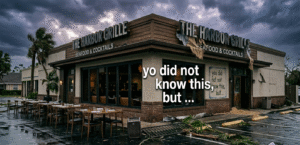
Real-World Scenario: A Seafood Restaurant in Miami
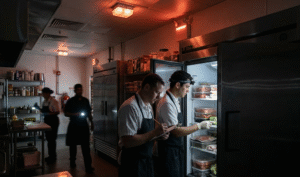
Consider a mid-sized seafood restaurant in Miami that experienced several weeks of unusually warm weather coupled with a refrigeration malfunction in their walk-in freezer. The staff, unaware of the temperature fluctuations, continued to serve seafood that had begun to spoil. A few patrons noticed subtle off-flavors and textures, and several dishes had to be sent back.
Word of mouth spread quickly. Social media posts and online reviews described the subpar meals, and loyal customers started avoiding the restaurant, choosing competitors instead. The restaurant not only lost the value of the spoiled inventory but also suffered a decline in revenue for months. The owners realized that what began as a refrigeration issue had evolved into a reputational crisis.
Lessons Learned
- Customer Experience Matters: Even small spoilage issues can translate to poor reviews and diminished customer trust. A single bad experience can deter repeat visits.
- Proactive Inventory Management: Regular temperature checks, inventory rotation, and staff training are essential to prevent spoilage from reaching the customer.
- Insurance Can Help Mitigate Losses: While insurance cannot repair your reputation, spoilage coverage and business interruption insurance can help recoup lost revenue and repair costs when inventory losses occur. This allows the restaurant to recover financially while implementing operational fixes to protect its brand.

Food Safety Basics: What Causes Food to Spoil
At its core, food spoilage happens when food deteriorates to a point where it becomes undesirable or unsafe to eat. The USDA notes that factors such as light, oxygen, heat, humidity, and microbial growth are central to the spoilage process. Microorganisms including bacteria, molds, and yeasts exist everywhere and thrive under unsuitable storage conditions. USDA
It is important to understand that not all spoilage is obvious. Some spoilage bacteria grow even at low temperatures, while certain pathogenic bacteria may not be detectable by smell or taste alone. Food Safety and Inspection Service
Refrigeration Failure and Temperature Control
Why Refrigeration System Failure Is a Leading Risk
One of the most common causes of Food Spoilage in Your Restaurant is refrigeration system malfunction. Whether it is a walk-in cooler, reach-in freezer, or a bar refrigerator, loss of temperature control puts your entire perishable inventory at risk.
According to industry data (AltafNB) , refrigeration systems are among the leading sources of equipment-related claims in restaurants, accounting for a significant portion of spoilage events that can cost thousands of dollars in lost inventory and business disruption.
Temperature control is not negotiable. Nearly all perishable foods must be stored at strict temperatures to remain safe and maintain quality.
What Goes Wrong
Common refrigeration problems include:
- Compressor and thermostat failures
Malfunctions leave units unable to maintain safe temperatures. - Broken seals on doors
This allows cold air to escape and warm air to enter. - Dirty coils or inadequate maintenance
Reduced efficiency leads to cooling loss over time. - Electrical surges
Power fluctuations can damage refrigeration systems, rendering them unable to operate properly.
Preventive Actions You Can Take
- Routine Maintenance
Regular inspections and servicing by qualified technicians can catch small issues before they escalate into costly breakdowns. - Temperature Monitoring Technology
Smart monitoring systems can alert you to temperature deviations in real time so you can respond before inventory spoils. - Secondary Temperature Controls
Redundant systems such as backup refrigerators or freezers can reduce pressure on a single system. - Staff Training
Ensure your team knows the importance of correct temperature settings and what to do if an alarm sounds.
Insurance Protection for Temperature Failures
Standard property insurance does not always reimburse for losses from temperature control failures. To protect against inventory loss due to refrigeration failure, you may need specific endorsements such as spoilage coverage or include equipment breakdown coverage in your policy. Proper coverage ensures that when your refrigerator fails unexpectedly, your insurance policy can step in to cover not just the repair costs but also the food inventory you lost.
Power Outages and Utility Interruptions
How Utility Interruptions Cause Spoilage
Even perfectly functioning refrigeration systems can fail if they lose power. In Florida, where weather events such as hurricanes and tropical storms are common, power outages can last hours or days. Without electricity, temperatures rise quickly, and your perishable inventory is at serious risk.
Utility interruptions do not just affect cold storage. They can impact HVAC systems, lighting in dry storage, and other critical kitchen operations necessary for food safety.
Power Outages Typically Affect Restaurants Through
- Severe weather events
Storms, hurricanes, and even localized grid failures can knock out power. - Scheduled maintenance or outages
Utility providers may occasionally need to shut down systems for work. - Electrical infrastructure failures
Issues inside your building such as tripped circuits or blown fuses.
Steps to Reduce this Risk
- Backup Generators
Invest in a high quality generator to maintain power for critical systems during outages. - UPS Systems for Refrigeration Controllers
Uninterruptible power supplies protect temperature monitoring equipment from surges and short power cuts. - Emergency Response Plans
Prepare a documented plan for your staff to follow when power is lost so corrective actions happen immediately. - Inventory Rotation Systems
Prioritize using potentially affected foods first during unstable conditions.

Insurance Strategies for Utility Interruptions
Often utility interruptions are covered only if they result from a covered peril under your policy. Without specific spoilage or utility interruption coverage, you could be left to absorb thousands of dollars in losses. Insurance products designed to protect perishable inventory and income disruptions can be essential for restaurants that rely heavily on refrigerated goods.
Improper Food Handling and Storage Practices
The Human Factor in Food Spoilage
Even the best equipment can fail if your staff does not follow proper procedures for storing, handling, and rotating food. Food Spoilage in Your Restaurant often originates in lapses in food management protocols.
The FDA and USDA emphasize that food safety is tightly linked to proper storage and handling practices. For example, leaving food in the temperature danger zone between 40°F and 140°F allows microorganisms to multiply rapidly and accelerate spoilage. U.S. Food and Drug Administration
Key Human Errors That Lead to Spoilage
- Incorrect storage temperatures
Staff may mistakenly set thermostats too high or overlook warming units. - Inadequate stock rotation
First In First Out procedures are ignored, causing older food to sit too long. - Cross-contamination
Improper segregation of raw and ready-to-eat foods leads to faster spoilage. - Food left out too long
Hot foods left out cooling slowly or cold foods left unrefrigerated increase risk.
How to Build Strong Food Handling Protocols
- Standard Operating Procedures (SOPs)
Documented instructions for every step of handling and storage. - Training and Certification
Ensure employees are trained and certified in food safety best practices. - Daily Checklists
Checklists help employees consistently manage inventory and storage. - Accountability Systems
Assign roles so staff members are responsible for specific food safety tasks.
Why This Matters for Insurance
Insurance carriers are increasingly evaluating your operational risk controls. Documented food safety practices can reduce your risk profile, potentially lowering premiums. More importantly, solid protocols reduce the likelihood of spoilage and related claims in the first place.
Supplier and Transportation Issues
Spoilage Before You Even Get It
Food spoilage does not start in your restaurant. It can begin upstream during transportation and delivery. Perishable items that are not maintained at proper temperatures during transit are already closer to expiration or compromised by the time they reach your kitchen.
Various industry sources note that food loss and waste remain high across the entire supply chain, and efforts from government and industry aim to reduce these losses. U.S. Food and Drug Administration
Common Transportation Risks
- Poor temperature control during delivery.
- Delayed transportation due to traffic or logistical mishaps.
- Packaging failures that expose foods to air, humidity, or contamination
Steps for Better Supplier Controls
- Vendor Agreements
Include temperature and handling requirements in contracts. - Delivery Inspections
Check temperatures and condition of foods as soon as they arrive. - Certified Suppliers
Choose vendors that follow recognized food safety standards, such as FSMA compliant providers. - Audit Supplier Performance
Regularly evaluate deliveries for quality and compliance.
Insurance Lens on Supply Chain Spoilage
While insurance does not cover every transportation failure, a strong risk management strategy includes selecting reliable partners, maintaining thorough documentation, and reducing the risks that lead to spoiled inventory before it even arrives.
Equipment or Machinery Breakdown
Beyond Refrigeration
Yes, refrigeration failures are a major cause of spoilage, but equipment breakdowns can occur in many areas of your operation. Hot holding units, freezers, walk-ins, blast chillers, and even dishwashers can all affect the safety and quality of food.
The modern restaurant relies on complex systems and connected technologies. When those systems fail, spoilage is a real consequence. Many small to mid-sized operations do not plan adequately for these risks.
Common Equipment Failure Scenarios
- Old or poorly maintained machines
Age and lack of preventive care increases failure risk. - Power surges
Sudden electrical issues cause internal damage to sensitive components. - Mechanical wear and tear
Everyday use without proper service shortens equipment lifespan.
Risk Management and Preventive Maintenance
- Scheduled Professional Servicing
Have technicians inspect and service critical equipment regularly. - Spare Parts Inventory
Maintain key parts on site so minor issues can be fixed quickly. - Budgeting for Replacement
Create capital plans to replace aging equipment before failure.
Insurance Coverage for Machinery and Spoilage
Standard property insurance usually excludes mechanical breakdowns. You may need endorsements such as equipment breakdown coverage and spoilage coverage to make sure you are protected if these systems fail unexpectedly. Without these protections, your business could be left to absorb repair costs and inventory loss on your own.
How Comprehensive Insurance Helps You Manage Spoilage Risk
Restaurant owners face many exposures including liability, workers compensation, commercial property protection, and business interruption. But when it comes to Food Spoilage in Your Restaurant, there are specific areas of coverage to consider:
Commercial Property Insurance
This protects your building and contents including inventory, but only for covered causes of loss. Be sure to review whether spoilage is included.
Spoilage Coverage
A specific endorsement that reimburses you for perishable inventory lost due to equipment breakdown, power outage, or covered events.
Equipment Breakdown Coverage
This fills the gap that standard property policies often leave, covering the cost to repair or replace failed equipment that contributed to spoilage.
Business Interruption Insurance
If a spoilage event forces you to close temporarily, business interruption coverage can help replace lost income and support ongoing expenses.
To learn more about how a tailored policy can protect your restaurant from spoilage, explore restaurant insurance packages Central Florida.
Practical Steps You Can Take Today
Here are actionable ways to start reducing your food spoilage risk right now:
1. Conduct a Risk Assessment
Identify where spoilage can occur and quantify its financial impact.
2. Review Your Insurance Coverage
Make sure your policy includes spoilage endorsements and equipment protection.
3. Train Your Team
Regular, documented food safety training reduces human error.
4. Implement Technology
Use smart monitoring systems for temperature, alarms, and automatic logs.
5. Develop a Continuity Plan
Plan for utility outages, equipment failure, and other interruptions ahead of time.
By taking these steps, you build greater resilience into your restaurant operations and reduce the chances of spoilage-related financial loss.
Final Thoughts
Food Spoilage in Your Restaurant is a serious risk that touches your profitability, compliance, and reputation. From refrigeration failures and utility outages to mishandling and equipment breakdowns, spoilage can arise from many sources. But with the right risk management practices, staff training, and insurance protection, you can reduce these risks and stay focused on what you do best serving great food.
Protecting your inventory and your business starts with understanding where exposures lie and how to mitigate them. That is what we do at USA CIS every day for restaurants across Florida.
Protect your restaurant inventory today. Contact USA CIS for a consultation, request a risk assessment, and explore how customized insurance plans can safeguard your operations from spoilage and other risks.
Contact Commercialize Insurance Services (CIS) today and brew with confidence tomorrow.
- Phone: (321) 830 – 0006
- Email: info@usa-cis.com
- Web: https://usa-cis.com
- Facebook: Commercialize Insurance Services
- Instagram: @insurance.cis