Running a restaurant in Florida means navigating daily pressures that go far beyond menus and customer service. Health inspections, staffing challenges, supply chain disruptions, and unexpected closures are all part of the reality. In the week before Christmas, another 11 eateries across Central Florida were forced to shut their doors after health inspections by the Florida DBPR. Headlines like Roaches Aplenty: Even More Central Florida Restaurants Closed Last Week are not just news stories. For restaurant owners, they are warnings.
At CIS, we work closely with restaurants across Florida, and we see firsthand how a sanitary closure can instantly disrupt operations, revenue, staff stability, and long-term brand reputation. When a health inspector orders a closure, even temporarily, many owners are shocked by how fast losses add up and how unclear insurance coverage can be at that moment.
This article is designed to dialogate with Florida restaurant owners on what happens when a sanitary closure forces operations to stop, how Business Interruption in Florida plays a critical role, and how to prepare before a shutdown occurs. Our goal is to provide practical, real-world guidance while reinforcing our role as a trusted insurance partner for restaurants throughout the state.
The Reality Behind Sanitary Closures in Central Florida
Sanitary closures are not rare events in Florida’s hospitality industry. High humidity, heavy foot traffic, pest exposure, and tight kitchens increase risk even for well-managed restaurants. Health inspectors are required to act immediately when violations pose a risk to public safety.
When closures happen, they often involve issues such as pest infestations, refrigeration failures, improper food storage, or sanitation breakdowns during peak seasons. The timing makes it worse. The week before Christmas is one of the most profitable periods for many restaurants. Losing even a few days of operation can create financial stress that lasts months.
From our perspective at CIS, the biggest issue is not just the closure itself. It is how unprepared many restaurant owners are for the financial and operational fallout that follows.
What Actually Happens When a Restaurant Is Ordered to Close
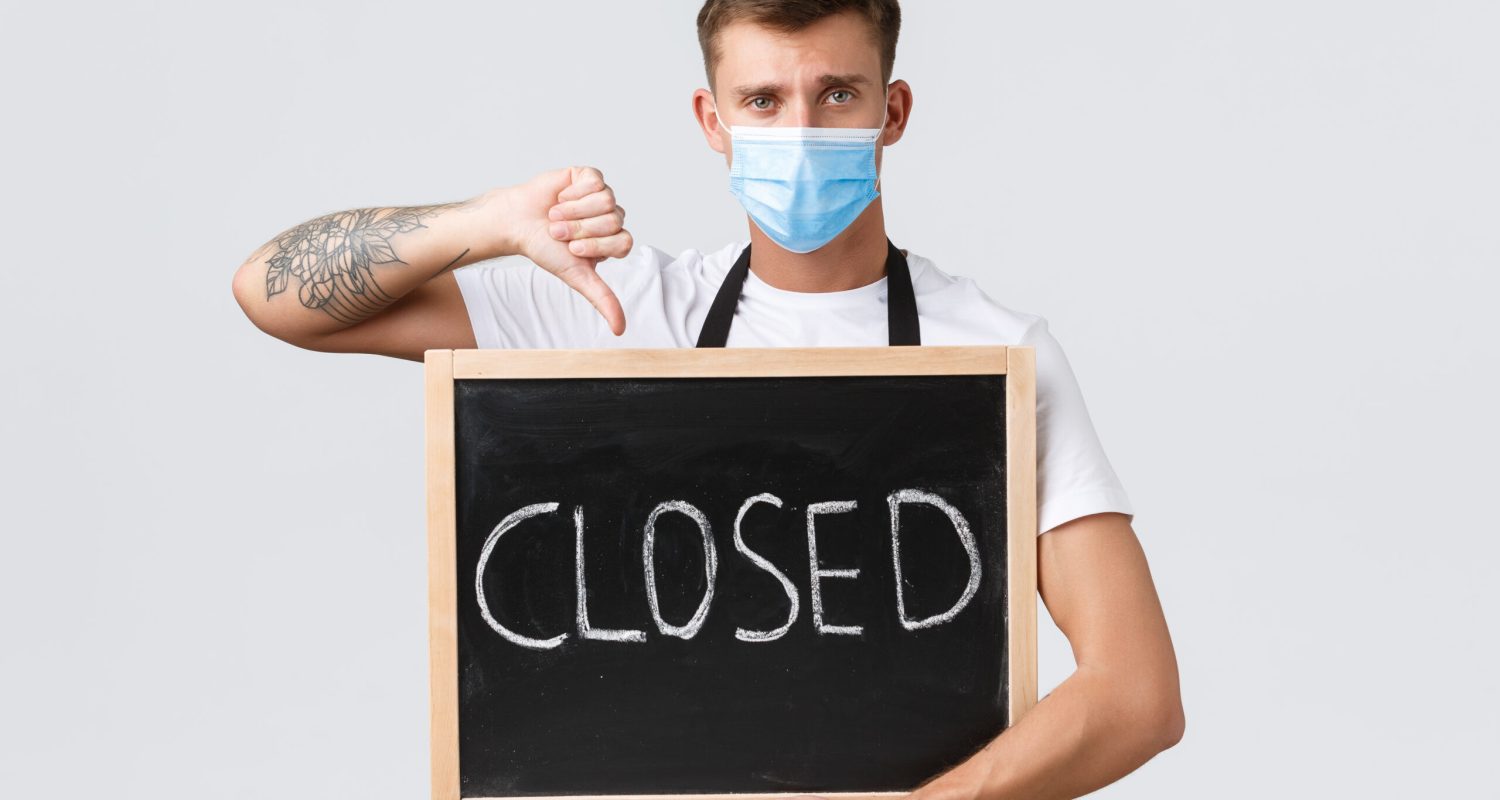
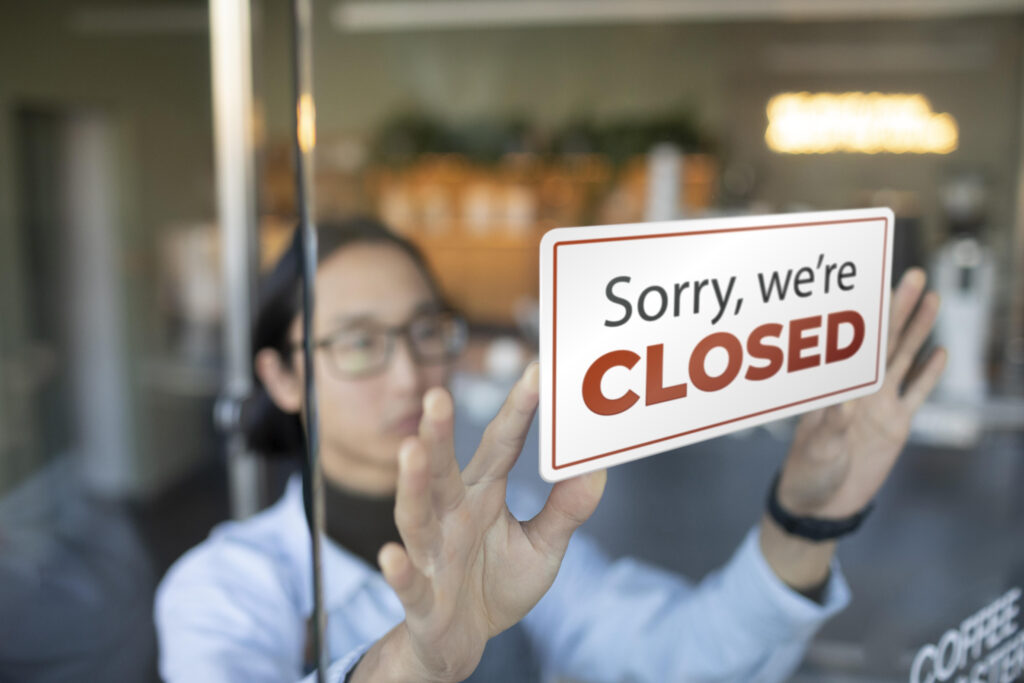
A health department closure sets off a chain reaction that most owners underestimate until they experience it themselves.
Revenue stops immediately. There is no grace period. No partial operation. The doors close, and daily income drops to zero.
Fixed expenses do not stop. Rent, utilities, loan payments, vendor contracts, and insurance premiums continue regardless of whether the restaurant is operating.
Staff uncertainty increases. Employees may be sent home without clear answers. Some may seek work elsewhere if closures last longer than expected.
Reopening costs add up. Deep cleaning, pest control, equipment repairs, food disposal, and reinspection fees all come out of pocket unless properly insured.
Reputation damage can linger. News spreads fast online, especially when closures are publicized by local media.
This is where Business Interruption in Florida becomes a critical conversation, not after a closure, but long before one ever occurs.
Understanding Business Interruption in Florida for Restaurants
Business Interruption in Florida is one of the most misunderstood areas of restaurant insurance. Many owners assume that if they are forced to close, insurance will automatically replace lost income. Unfortunately, that is not always the case.
Business interruption coverage is typically tied to a covered cause of loss under a commercial property policy. This means that not every closure triggers coverage. The details matter.
At CIS, we spend a significant amount of time educating restaurant owners on how Business Interruption in Florida actually works and where coverage gaps commonly exist.
When Business Interruption Coverage May Apply
Business interruption coverage may help when a closure results from a covered physical loss. Examples can include:
Fire damage that forces a shutdown
Water damage from a burst pipe
Storm-related property damage
Equipment breakdown that causes operational stoppage
In these cases, Business Interruption in Florida coverage can help replace lost income, cover ongoing expenses, and support payroll during the recovery period.
When Business Interruption Coverage May Not Apply
Many sanitary closures are not automatically covered because they are not caused by a direct physical loss. For example:
Pest infestations discovered during inspection
Improper food handling violations
Gradual maintenance issues
Non-compliance with health regulations
This is where confusion and frustration often arise. Restaurant owners assume they are protected, only to find out after a closure that their policy does not respond the way they expected.
Understanding these limitations is essential when building a restaurant insurance strategy in Florida.
What Restaurant Owners Should Do Immediately After a Sanitary Closure
Understanding that some sanitary closures fall outside standard Business Interruption in Florida coverage leads to an important question we hear every week. What should a restaurant owner actually do the moment the doors are forced to close?
When a closure happens, panic is natural. Revenue stops, staff is confused, and public pressure builds quickly. The key is to move from reaction to control as fast as possible. The steps taken in the first 24 to 72 hours often determine how quickly a restaurant can reopen and how financially damaging the closure becomes.
At CIS, we guide restaurant owners through this exact scenario, because even when Business Interruption in Florida does not apply, there are still critical actions that protect the business, reduce losses, and position the operation for recovery.

Step One: Get Absolute Clarity on the Violation Report
The inspection report is the foundation for everything that follows. Owners must carefully review every cited violation and understand exactly what triggered the closure. Not all violations carry the same weight, and some require professional remediation rather than internal fixes.
We advise restaurant owners to request clarification from the inspector if anything is unclear. Assumptions delay reopening. Precision speeds it up.
Document everything. Photos, reports, invoices, and communications should be organized immediately. Even if Business Interruption in Florida coverage does not apply, documentation may still be relevant for other coverages, future underwriting reviews, or legal protection.
Step Two: Stop Operating Completely and Secure the Property
Once a closure order is issued, partial operation or unauthorized access can make the situation worse. Continuing to use equipment, allowing staff to enter unsupervised, or attempting fixes without approval can create compliance issues and insurance complications.
The restaurant should be secured, refrigeration monitored, and inventory assessed. Any food that may be compromised must be discarded according to health guidelines. This step is painful, but cutting corners here increases both reopening delays and reputational damage.
Step Three: Bring in Qualified Professionals Immediately
Sanitary closures often require licensed professionals to resolve the underlying issue. Pest control, deep sanitation services, HVAC specialists, or plumbing contractors may be necessary.
This is not the time for temporary fixes. Health inspectors look for root cause correction, not surface-level cleaning. Professional remediation also creates a paper trail that supports faster approval to reopen.
From an insurance perspective, professional invoices and service reports strengthen any future claim discussions and demonstrate responsible ownership.
Step Four: Communicate Transparently With Staff
Closures create fear among employees. Silence leads to turnover, rumors, and potential employment disputes.
Owners should communicate clearly with staff about what happened, what steps are being taken, and realistic timelines. Even when payroll is disrupted, transparency builds trust and reduces long-term staffing losses.
This is also the moment to review workers compensation protocols, especially if staff will assist in cleanup or repairs. Injuries during remediation can trigger claims if safety procedures are not followed.

Step Five: Contact Your Insurance Advisor Immediately
Even when Business Interruption in Florida coverage does not apply, a closure should always trigger a call to your insurance advisor.
Why? Because closures often expose gaps the owner did not realize existed. Coverage reviews after an incident help prevent the same vulnerability from happening again.
At CIS, we treat these conversations as strategic, not sales-driven. We analyze what failed, what was assumed, and how the insurance structure should evolve based on real experience.
How Restaurant Owners Can Reduce the Risk of Sanitary Violations Before They Happen
While insurance is critical, prevention remains the strongest defense. Most sanitary closures are not caused by one dramatic failure but by a series of small issues that compound over time.
We encourage restaurant owners to view sanitation as both an operational discipline and a financial protection strategy.
Build Sanitation Accountability Into Daily Operations
Sanitation should never be an informal task assigned only when inspections approach. Successful restaurants embed sanitation responsibilities into daily checklists with assigned accountability.
Clear roles, documented cleaning schedules, and manager verification reduce oversight gaps that inspectors often uncover.
Consistency matters more than intensity. Daily discipline prevents emergency situations.
Treat Pest Control as Ongoing Risk Management
In Florida, pest exposure is constant. Waiting until pests are visible is already too late.
Routine professional pest control, sealed entry points, proper waste management, and regular inspections of storage areas significantly reduce closure risk.
From an insurance standpoint, documented pest prevention programs demonstrate responsible ownership and may influence how future claims or coverage reviews are evaluated.
Maintain Equipment With Compliance in Mind
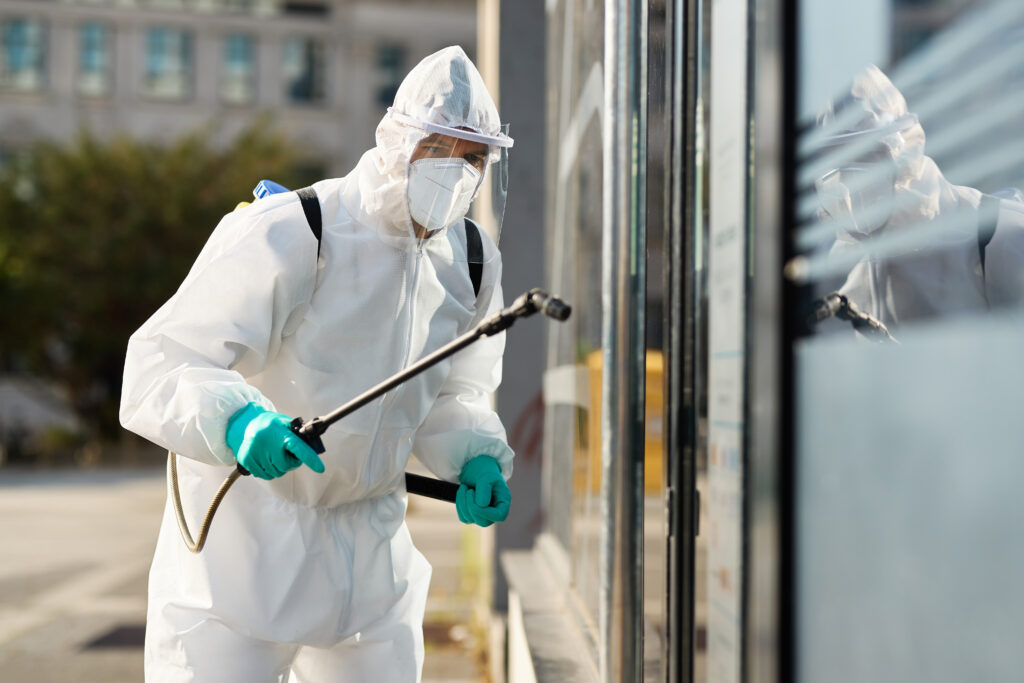
Failing refrigeration, grease traps, and ventilation systems are frequent contributors to violations. Preventative maintenance is not just about performance. It is about compliance.
We recommend scheduled inspections and service logs for critical equipment. These records protect the business operationally and strengthen credibility during inspections.
Train Staff Beyond Basic Food Handling
Many violations stem from improper handling practices rather than malicious neglect. Ongoing training, not one-time certification, is essential.
Staff should understand why procedures exist, not just how to follow them. When employees recognize the financial and operational consequences of violations, compliance improves.
Conduct Internal Mock Inspections
Restaurants that perform internal inspections using the same criteria as health inspectors are rarely surprised by closures.
Mock inspections identify weak points early and allow owners to correct issues quietly rather than publicly.
This proactive approach aligns closely with how we at CIS think about risk. Address problems before they become claims, closures, or headlines.
Why Preparation Matters More Than Assumptions
Sanitary closures expose one of the biggest misconceptions in restaurant insurance. Coverage is not automatic just because a business is forced to close.
Business Interruption in Florida is powerful when structured correctly, but it must be paired with prevention, documentation, and informed decision-making.
When restaurant owners understand what to do after a closure and how to reduce the likelihood of violations, they gain control in an industry where surprises are inevitable.
At CIS, our role is to help restaurant owners move from confusion to clarity, from assumption to strategy, and from vulnerability to resilience.
The Financial Impact of Even Short-Term Closures

One of the biggest misconceptions we encounter is the belief that a few days of closure is manageable. In reality, short-term closures can be financially devastating.
Lost revenue during peak seasons
Spoiled inventory and wasted food
Emergency cleaning and remediation costs
Employee turnover and rehiring expenses
Delayed vendor deliveries and penalties
Business Interruption in Florida coverage is designed to stabilize cash flow during unexpected shutdowns, but only if structured correctly. Without it, owners often rely on personal savings, credit cards, or loans to survive a closure.
At CIS, we view business interruption planning as a financial survival tool, not an optional add-on.
Regulatory Pressure and Compliance Expectations in Florida
Florida regulators take food safety seriously, and enforcement has increased over the years. Health inspection reports are public, and repeat violations are tracked.
Restaurant owners must understand that compliance failures are not only operational risks but also insurance risks. Policies often contain exclusions tied to neglect, improper maintenance, or known issues that were not addressed.
We help our clients align their risk management practices with insurance requirements so that coverage remains effective when it matters most.
Staff Claims and Employment Risks During Closures
When a restaurant shuts down unexpectedly, employees are directly affected. This creates exposure beyond lost revenue.
Wage disputes can arise if employees are sent home mid-shift
Workers compensation claims may occur during cleanup or remediation
Employment practices liability issues can surface if layoffs are mishandled
Business Interruption in Florida does not automatically address employment-related claims. This is why restaurant insurance must be viewed as a coordinated system, not individual policies purchased in isolation.
Property Protection and Sanitary Closure Prevention
Insurance is not just about reacting to losses. It is also about prevention. Many sanitary closures stem from property-related issues that could have been addressed earlier.
Aging refrigeration units
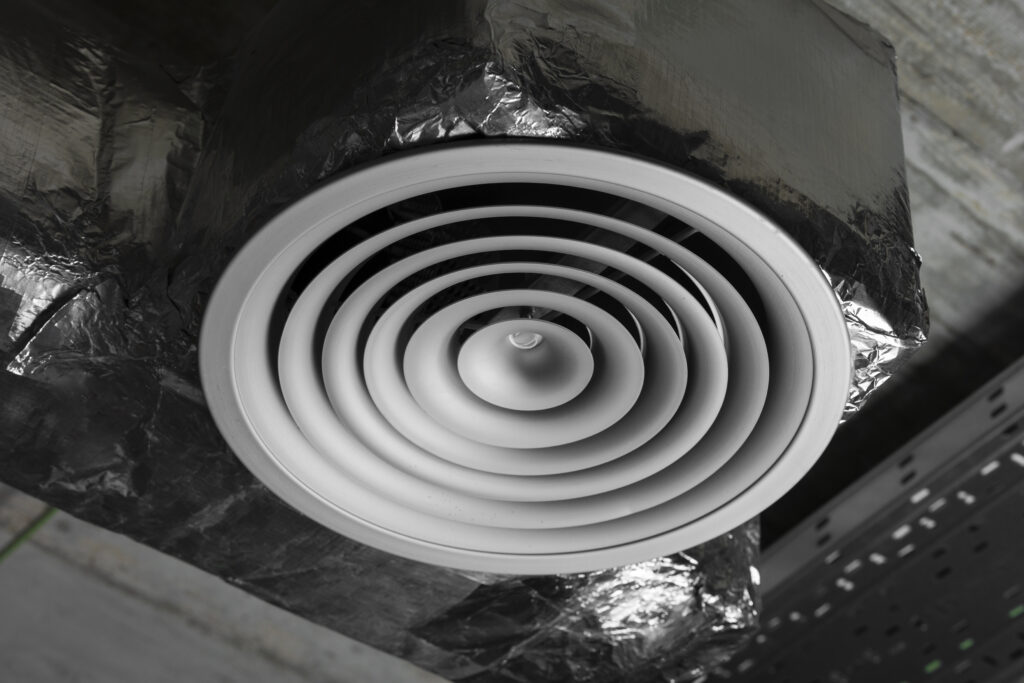
Poor ventilation and humidity control
Cracks and gaps that allow pest entry
Improper waste management systems
We work with restaurant owners to identify property risks that increase the likelihood of closures. Preventative maintenance not only reduces inspection failures but also strengthens insurance eligibility and pricing.
The Role of Endorsements and Specialized Coverage
Standard restaurant policies often fall short when it comes to closures triggered by health concerns. This is where endorsements and specialized coverage options come into play.
Certain policies can be enhanced to address cleanup costs, contamination events, or limited closure scenarios. These options vary by carrier and must be customized carefully.
This is why we emphasize working with an independent agency that understands restaurant operations in Florida.
Why Generic Insurance Quotes Fall Short for Restaurants
Many restaurant owners purchase insurance based on price alone. Online quotes may look appealing, but they often lack the nuance required for real-world restaurant risks.
Generic policies rarely account for seasonal revenue fluctuations
Coverage limits may not reflect peak income periods
Business interruption waiting periods may be too long
Exclusions may directly impact health-related closures
At USA CIS, we believe insurance should be built around how your restaurant actually operates, not a template.
How We Help Restaurants Prepare for the Unexpected
Our approach starts with education. We believe informed owners make better decisions.
We review how Business Interruption in Florida applies to your specific operation
We identify coverage gaps related to closures and inspections
We align policies with regulatory requirements
We customize coverage based on location, size, and service style
This is why so many restaurant owners across Florida rely on our guidance year after year.
Building a Long-Term Risk Strategy for Florida Restaurants
Sanitary closures highlight the importance of long-term planning. Insurance is one piece of a broader risk strategy that includes:
Staff training and accountability
Routine maintenance and inspections
Vendor compliance
Clear reopening protocols
Business Interruption in Florida should be part of this strategy, not an afterthought.
Custom Coverage Makes the Difference
Every restaurant is different. Location, cuisine, staffing model, and service style all influence risk. That is why we guide our clients toward customized restaurant insurance policies Florida that reflect their real exposure. You can explore our approach to restaurant coverage here: https://usa-cis.com/restaurant-and-entertainment-insurance/
Customized coverage allows restaurant owners to address Business Interruption in Florida in a way that aligns with actual operations, not assumptions.
Why Central Florida Restaurants Face Unique Challenges
Restaurants in Central Florida face unique environmental and regulatory pressures.
High tourism volume increases inspection frequency, Humidity accelerates pest and sanitation risks, Seasonal revenue swings amplify closure losses
These factors make proactive insurance planning even more critical for restaurants in this region.
Turning a Closure Crisis Into a Recovery Plan
While no restaurant wants to experience a forced closure, those that recover fastest are the ones that planned ahead.
They understand their policy language
They know who to call immediately
They have documentation ready
They work with an agent who understands restaurant claims
Business Interruption in Florida is not just a policy feature. It is a recovery tool when used correctly.
How USA CIS Supports You Before and After a Loss
Our relationship with restaurant owners does not start at claim time. We stay engaged throughout the year.
We conduct coverage reviews
We monitor regulatory changes
We adjust policies as operations evolve
We advocate for our clients during claims
This ongoing partnership is what sets us apart as a Florida-based agency focused on restaurant success.
Take the Next Step With Confidence
If you are a restaurant owner in Florida, now is the time to evaluate how prepared you are for a forced closure.
Contact US for a consultation
Request a restaurant risk assessment
Explore custom restaurant insurance plans built for Florida operations
Unexpected closures will continue to make headlines. Being prepared determines whether your restaurant survives them.
At USA CIS, we are committed to helping Florida restaurants protect their income, their teams, and their future through informed, customized insurance strategies.