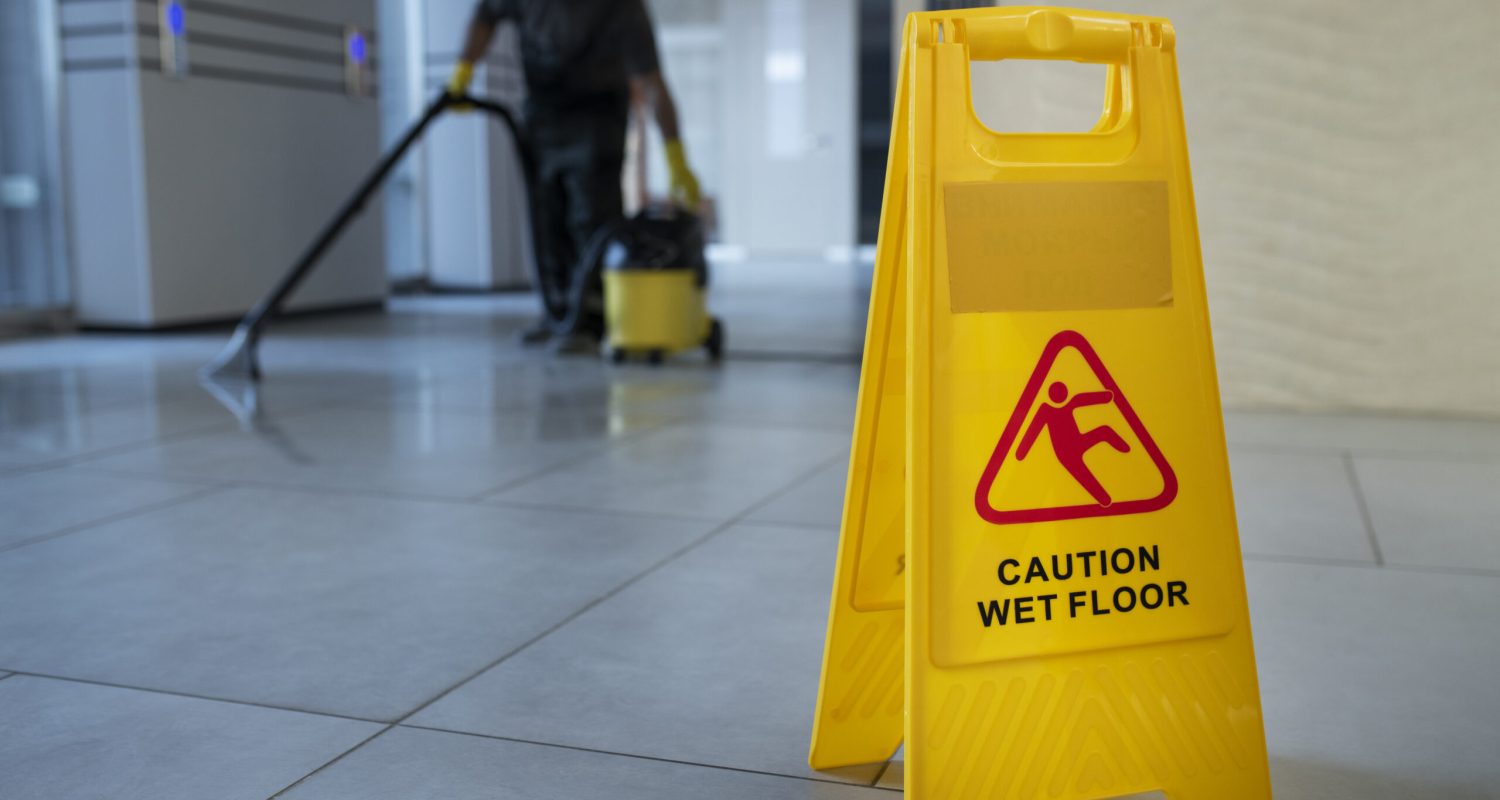
As restaurant owners in Florida prepare for busier seasons, larger crowds, and fuller dining rooms, safety should always be top priority. More customers mean more foot traffic, more activity, and naturally, a higher chance of unexpected hazards. And one of the most common and costly risks in the restaurant industry is the classic slip and fall accident.
At CIS, we work closely with restaurant owners every day, and we know how quickly something as simple as a wet floor or misplaced mat can turn into a liability claim. That’s why investing time and attention into strong Slip and Fall prevention efforts is not just smart, it’s critical to protecting your team, your customers, and your business.
In this article, we share the top five ways to plan ahead and prevent business accidents, especially as your customer volume increases. These steps will help you reduce risk, improve safety, and reinforce your restaurant’s reputation as a responsible and trustworthy business.

1. Strengthen Your Floor Maintenance Routine
The first step in Slip and Fall prevention is managing your floors with a consistent, well-trained routine. Busy restaurants deal with spills all day from ice falling on the floor to dropped drinks to mop buckets leaving surfaces slick.
Here are simple habits that help:
- Assign cleaning responsibilities during each shift
- Clean spills immediately and document them
- Use “wet floor” signage for all mopped areas
- Inspect high-traffic zones every 30–60 minutes
- Replace worn or curled mats
A strong cleaning routine isn’t just about appearances; it’s about avoiding injuries. According to the Occupational Safety and Health Administration (OSHA), slips and falls are one of the most common causes of workplace injuries nationwide.
And when accidents happen, they can lead to costly liability claims. To learn how insurance helps protect your restaurant from these risks, explore our General Liability resource here: Slip and Fall prevention
2. Improve Lighting in All Interior and Exterior Areas
Lighting plays a bigger role in safety than most people realize. Dim corners, dark hallways, and poorly lit entryways can cause customers and employees to misjudge steps, miss obstacles, or fail to notice spills.
Consider improving lighting in:
- Dining rooms
- Side entrances
- Outdoor seating areas
- Kitchen prep zones
- Restrooms
- Parking lots and exterior walkways
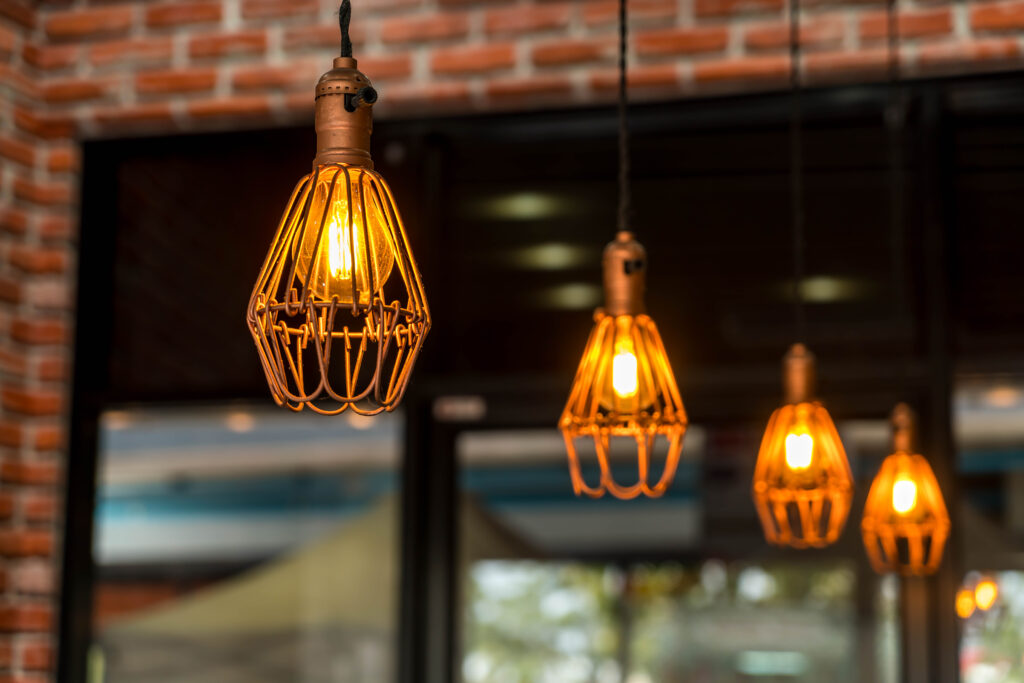
Better visibility prevents accidents, and it also creates a more welcoming atmosphere for guests.
If you want to understand more about environmental safety standards for businesses, the Centers for Disease Control and Prevention (CDC) provide valuable workplace safety guidance
3. Train Your Staff on Proactive Safety Awareness
Your employees are your first line of defense in Slip and Fall prevention . When your restaurant is busier than usual, small hazards appear more frequently , and your team needs to be trained to spot issues before they turn into accidents.
We recommend training staff on:
- Notifying a manager immediately about spills
- Keeping walking paths clear during peak hours
- Handling cleaning tasks safely
- Cleaning up shattered glass correctly
- Wearing non-slip footwear
- Reporting loose tiles, carpets, or mats
When your team knows what to look for, your restaurant becomes safer for everyone, especially during rush hours when you have more customers and limited time.
4. Create Safe Customer Flow and Organized Layouts
A cluttered space increases the chances of tripping and slipping accidents. With more customers walking between tables, waiting in line, and visiting restrooms, your layout must support safe movement.
We encourage restaurants to:
- Keep aisles wide and free of obstacles
- Avoid storing items near walkways
- Secure cords and floor transitions
- Place mats strategically near entrances, drink stations, and restrooms
- Adjust seating arrangements for seasonal crowds

These simple layout changes significantly prevent business accidents, especially when accompanied by proper signage and good lighting.
And remember, preventing injuries is not only about safety, it’s also about reducing financial exposure for your business.
5. Protect Your Business with the Right Insurance Coverage
Even with strong protocols in place, accidents can still happen, and that’s where having the right insurance makes all the difference.
At CIS, we encourage restaurant owners to take a layered approach, combining essential coverages such as:
This coverage helps protect your restaurant when slip-and-fall claims occur. It takes care of medical expenses, legal fees, and settlements associated with injuries on your premises.
Your staff is constantly moving, carrying plates, running food, cleaning spills, and preparing meals. If an employee is injured, Workers´ Compensation protects them by covering medical treatment and lost wages.
If you want to explore additional safety recommendations, the National Institute for Occupational Safety and Health (NIOSH) also provides guidance for preventing workplace injuries:

Together, these policies ensure your business stays protected, even during your busiest seasons.
Prepare for More Customers With the Right Prevention Strategy
As Florida restaurants welcome more guests, taking steps to strengthen Slip and Fall prevention becomes a must. Safety protects your customers, your staff, and the long-term success of your business. It also ensures that you’re ready for peak periods without exposing yourself to expensive claims or reputation damage.
At CIS, we’re here to support you every step of the way. Whether you need help reviewing your current policy, exploring better options, or building a bundle of Restaurant Insurance Policies that fit your budget, our team is ready to help.
If you want to upgrade your safety strategy, get a free quote, or simply talk with a friendly expert who understands the restaurant industry, we’re just a message away.